Skip to content

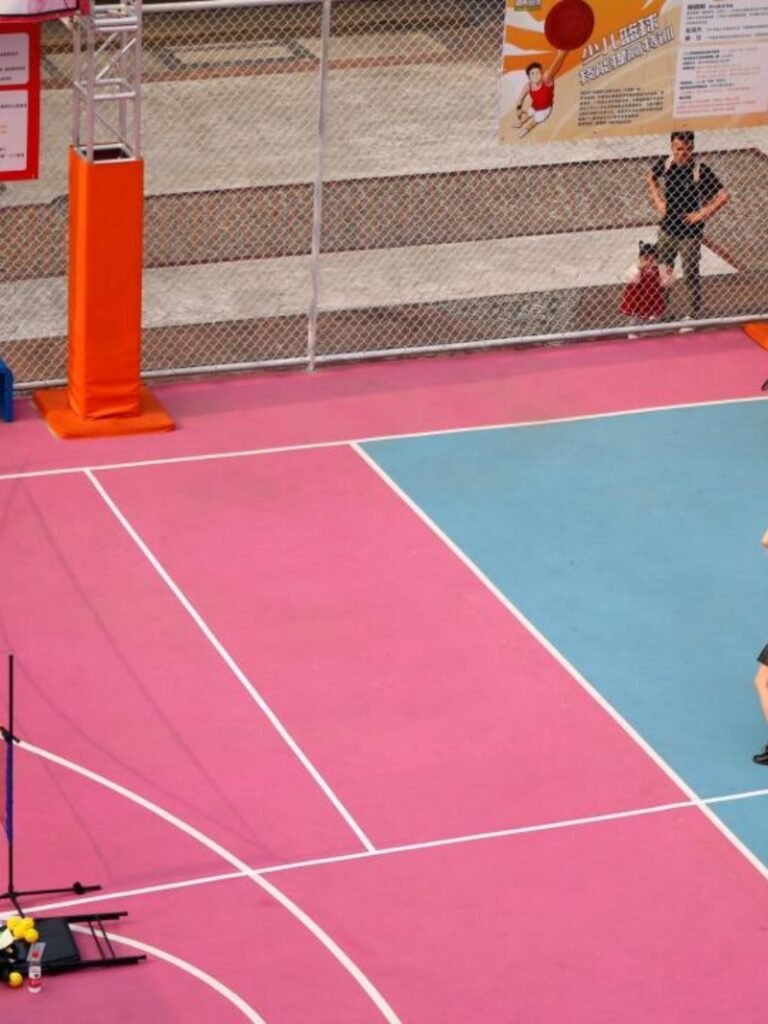

Pickleball's explosive growth has created a new challenge—transforming from casual backyard game to a serious professional sport.
Pickleball is now recognized as a professional sport, with organized leagues, high-level players, sponsorships, and global media attention.
What does it really mean for a sport to "go pro"? Let’s take a deeper look together.
Is pickleball becoming a professional sport?
Pickleball used to be just a fun pastime. But as courts filled and tournaments exploded, the question arose—is this a professional sport now?
Yes, pickleball is rapidly becoming a professional sport, with formal leagues, media deals, and a growing fanbase supporting elite competition.

Shifting from Hobby to Profession
Over the last five years, I’ve watched pickleball evolve at lightning speed. With the launch of leagues like the PPA1 (Professional Pickleball Association) and MLP2 (Major League Pickleball), we're seeing increased structure, marketing, and prize money. That structure signals a serious shift toward professionalism.
H3: What Makes a Sport “Professional”?
| Criteria | Casual Game | Professional Sport |
|---|---|---|
| Organized Leagues | Rare | Regular and structured |
| Sponsorships | Minimal | Major brands involved |
| Player Salaries | None or low | Growing annual contracts |
| Media Coverage | Local or none | National and international |
| Fan Base | Small communities | Expanding globally |
Pickleball checks every one of these boxes now. Players are drafted into teams. There are team owners. Even celebrities are investing.
But it’s not just about appearances—it’s about sustainability. That’s where true professionalism is tested. As someone who works with businesses in this space, I can say with confidence: it’s not a trend—it’s an industry.
How much do pro pickleball players make per year?
Turning pro used to mean financial risk in emerging sports. But how does that apply to pickleball players today?
Top pro pickleball players can earn over $200,000 annually3 through prize money, sponsorships, appearance fees, and brand deals.

Income Breakdown for Professional Pickleball Players
Most players earn money through more than just tournament winnings. Here’s how a typical income stream might look:
H3: Annual Earnings Breakdown (Top-Tier Player)
| Income Source | Estimated Amount (USD) |
|---|---|
| Tournament Winnings | $50,000–$100,000 |
| Sponsorships | $60,000–$120,000 |
| Clinics & Coaching | $10,000–$30,000 |
| Social Media/Branding | $5,000–$20,000 |
| Endorsements & Gear | $20,000–$50,000 |
Some players, like Ben Johns or Anna Leigh Waters, are making significant incomes through a combination of high-level performance and marketability.
But it’s not all top-dollar yet. Many players still supplement their income with part-time jobs or coaching. The gap between the top 10 and the rest is wide, but shrinking year by year. As a manufacturer, I’ve noticed how demand for sponsorships and paddle deals is climbing—especially from mid-tier players aiming to go full-time.
What is the new sport taking over pickleball?
Whenever a sport hits the mainstream, the public quickly asks: is something new already taking its place?
No single sport is currently taking over pickleball, though emerging games like padel4 and spec tennis5 are gaining interest.

Comparing Emerging Racquet Sports
Pickleball has serious momentum. But there are rising challengers. Here's how they compare:
H3: Pickleball vs. Emerging Alternatives
| Sport | Popularity (US) | Growth Rate | Equipment Cost | Learning Curve |
|---|---|---|---|---|
| Pickleball | Very High | Rapid | Moderate | Easy |
| Padel | Moderate | Fast | High | Moderate |
| Spec Tennis | Low | Steady | Low | Easy |
Padel has exploded in Europe and parts of Latin America, and it’s making its way into the US market. However, it requires larger courts and more complex infrastructure. Spec tennis is simpler but lacks a strong community yet.
From where I stand, pickleball still has the edge—especially because it’s easier to pick up, space-efficient, and backed by major investments. But no sport is immune to shifts. Staying professional means staying adaptable.
When did pickleball turn professional?
It didn’t happen overnight—but there was a clear tipping point when hobby turned into high-stakes competition.
Pickleball began its transition to professional status around 2019, with the formation of formal leagues and national tournament structures.

Timeline of Professional Growth
The signs of change were everywhere by 2019. That’s when the Professional Pickleball Association (PPA) was founded, followed by the MLP in 2021. These organizations gave structure, visibility, and incentives for players to turn pro.
H3: Key Milestones in Pickleball's Pro Journey
| Year | Milestone |
|---|---|
| 2019 | PPA founded, first tour calendar established |
| 2021 | MLP launched with team-based competition |
| 2022 | Celebrity investors enter the sport |
| 2023 | CBS, ESPN start airing pickleball tournaments |
| 2024 | MLP and PPA announce merger for unified league |
Each of these events brought new levels of professionalism. For me as a supplier, the shift was obvious—more inquiries for custom paddles, tighter quality specs, and a demand for brand partnerships.
The question now isn’t if it’s professional. It’s: how far can we take it?
Conclusion
Pickleball is no longer just a game—it's a growing professional sport with global ambition, serious players, and real opportunity.
-
Learn what the Professional Pickleball Association is and its impact on elevating pro pickleball. ↩
-
Discover Major League Pickleball's purpose and its role in professionalizing the sport. ↩
-
Review data supporting pro pickleball players earning over $200,000 annually. ↩
-
Explore padel's rise as an emerging racquet sport and its market impact. ↩
-
Learn about spec tennis, its features, and differences compared to other sports. ↩