Skip to content

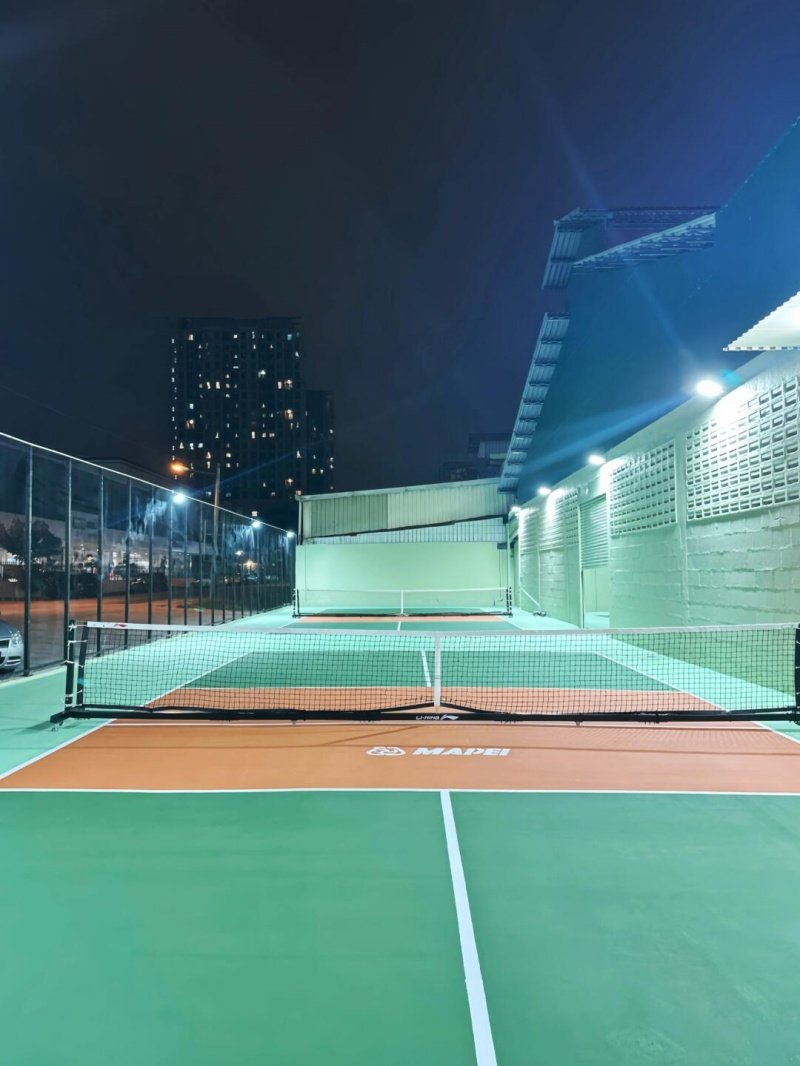
Many players build courts with incorrect measurements, leading to poor play and wasted effort. Getting the right dimensions is crucial from the start.
A standard pickleball court measures 20 feet wide by 44 feet long, with additional space required for safe movement and gameplay.
Let’s look at court sizes, DIY options, and how small or cheap you can go without sacrificing playability.
What is the standard size of a pickleball court?
Setting up a court without knowing the correct measurements causes spacing issues. Understanding the standard dimensions ensures proper gameplay and tournament compliance.
The official pickleball court size is 20 feet wide by 44 feet long for both singles and doubles, with a total recommended area of 30 by 60 feet.
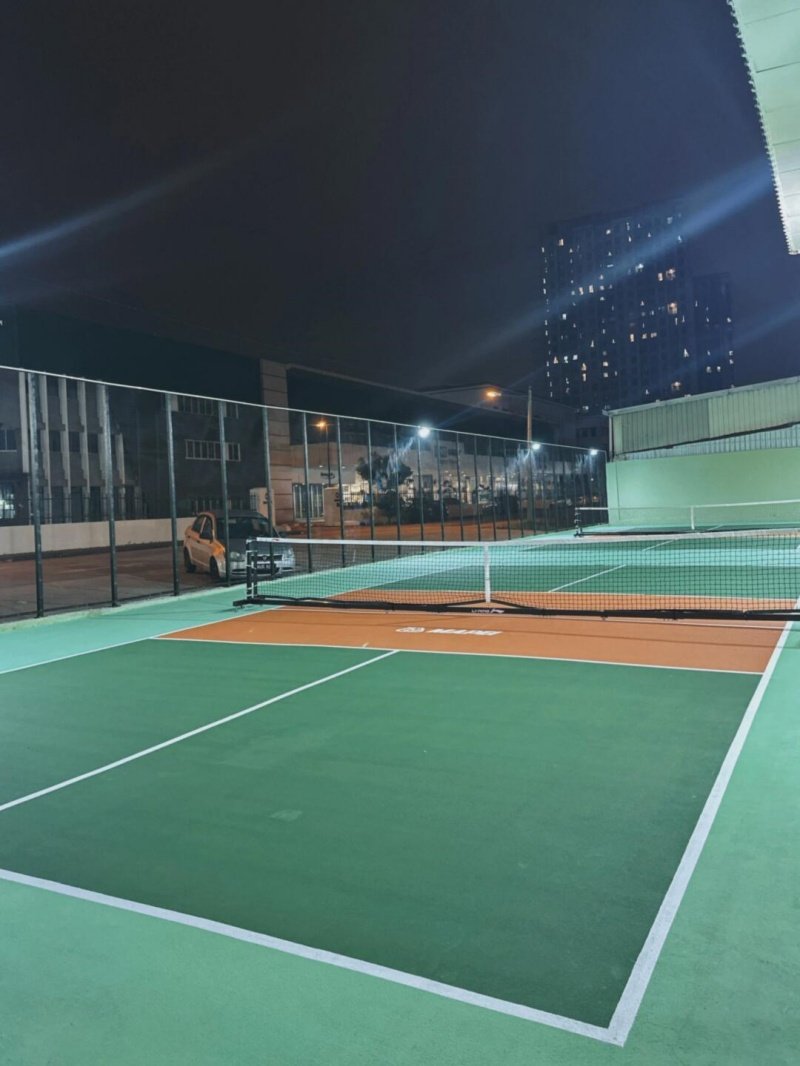
Pickleball Court Dimensions
| Component | Measurement |
|---|---|
| Court Width | 20 feet |
| Court Length | 44 feet |
| Total Playing Surface | 30 x 60 feet |
| Non-Volley Zone (Kitchen)1 | 7 feet from net on both sides |
| Net Height (Center) | 34 inches |
| Net Height (Posts) | 36 inches |
These dimensions match those used in official tournaments and public courts. Adding extra space for safety and comfort is also essential.
How much room do you need for a backyard pickleball court?
Backyards vary in size, and many people overestimate how much space they need. Measuring correctly helps maximize your space without overbuilding.
A backyard pickleball court needs at least 30 by 60 feet to meet standard play requirements, including safety zones.
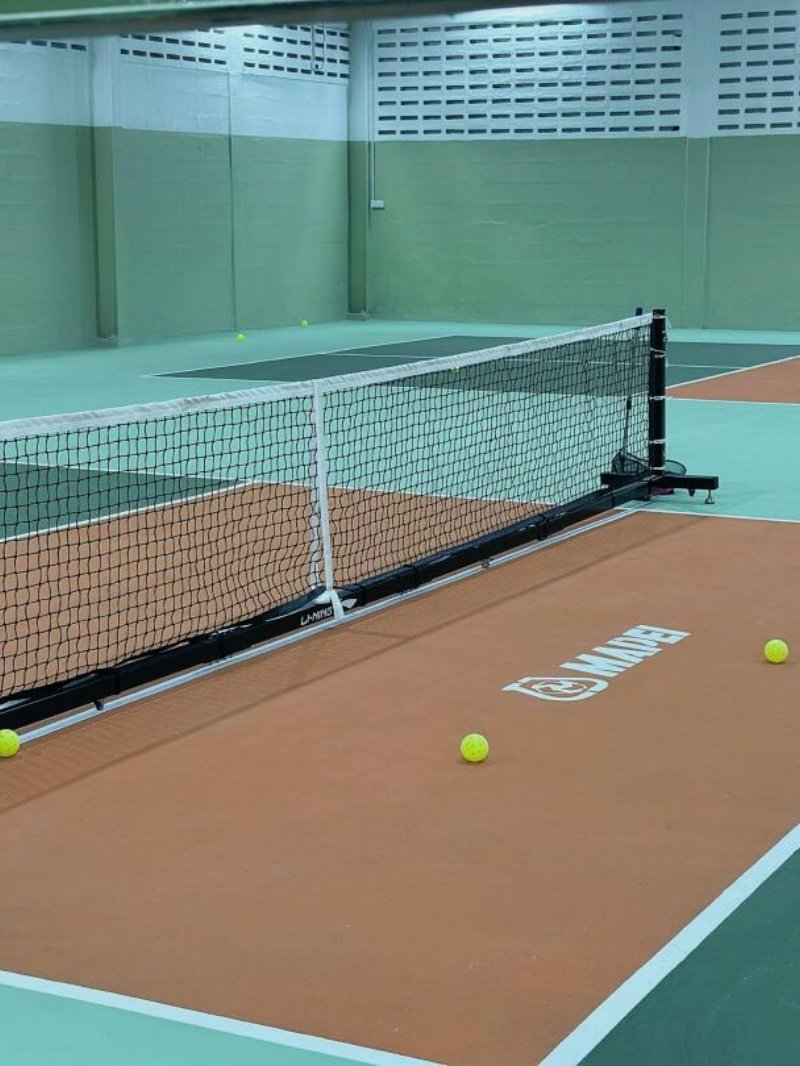
Backyard Court Planning
| Area Type | Minimum Size Needed |
|---|---|
| Court Area Only | 20 x 44 feet |
| With run-off space2 | 30 x 60 feet |
| Ideal Flat Surface | Concrete, asphalt, or sport tile |
If your yard allows, adding lights or fencing can greatly improve the playing experience. For smaller yards, consider temporary nets and removable boundary lines.
What is the smallest you can make a pickleball court?
Some yards can’t fit a full-size court. The challenge is minimizing space without ruining gameplay. Here's how small you can go while keeping it playable.
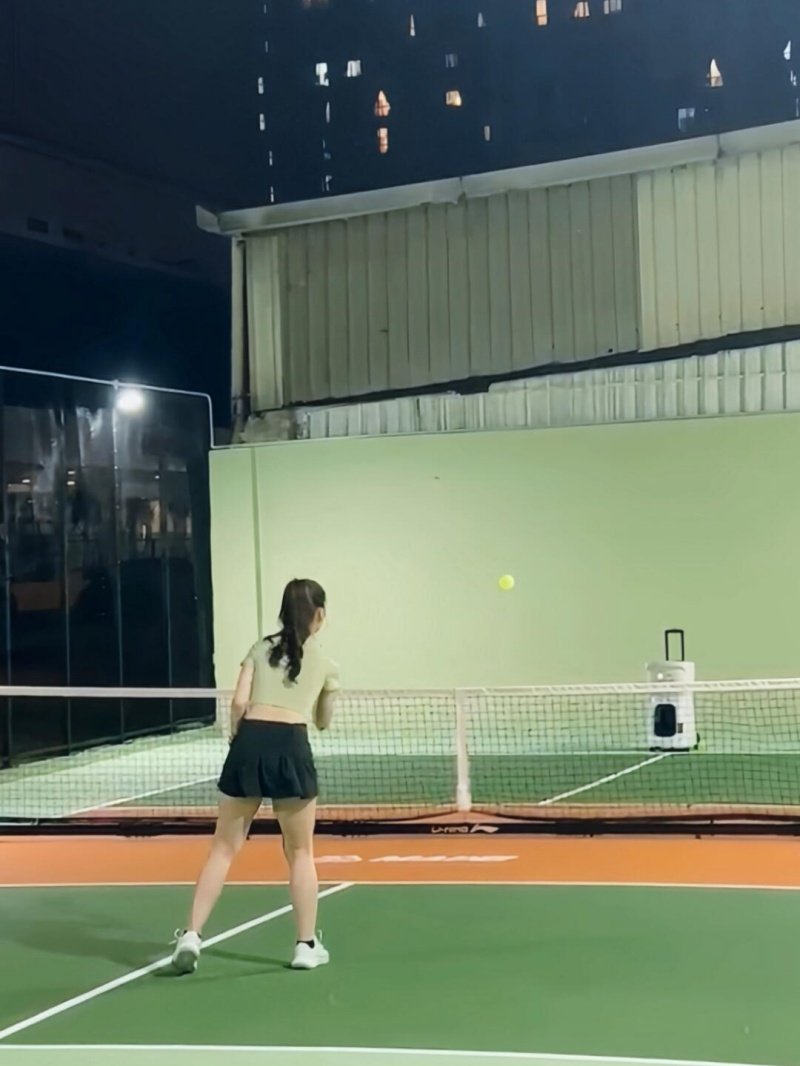
The smallest functional pickleball court is 20 feet by 44 feet, but without buffer space3, it limits movement and increases injury risk.
Minimum Playable Dimensions
| Space Element | Absolute Minimum |
|---|---|
| Width | 20 feet |
| Length | 44 feet |
| Safe Buffer Space | None |
Considerations
- No run-off space increases tripping and collision risks.
- Indoor settings may tolerate smaller margins due to walls.
- Casual play may allow slight modifications, but competitive games should stick to standard sizing.
Even if space is tight, marking out the kitchen and service zones properly maintains gameplay integrity.
What is the cheapest way to build a pickleball court?
Building a court can be expensive, especially with professional surfacing. But you can build a court on a budget using DIY solutions and smart planning.
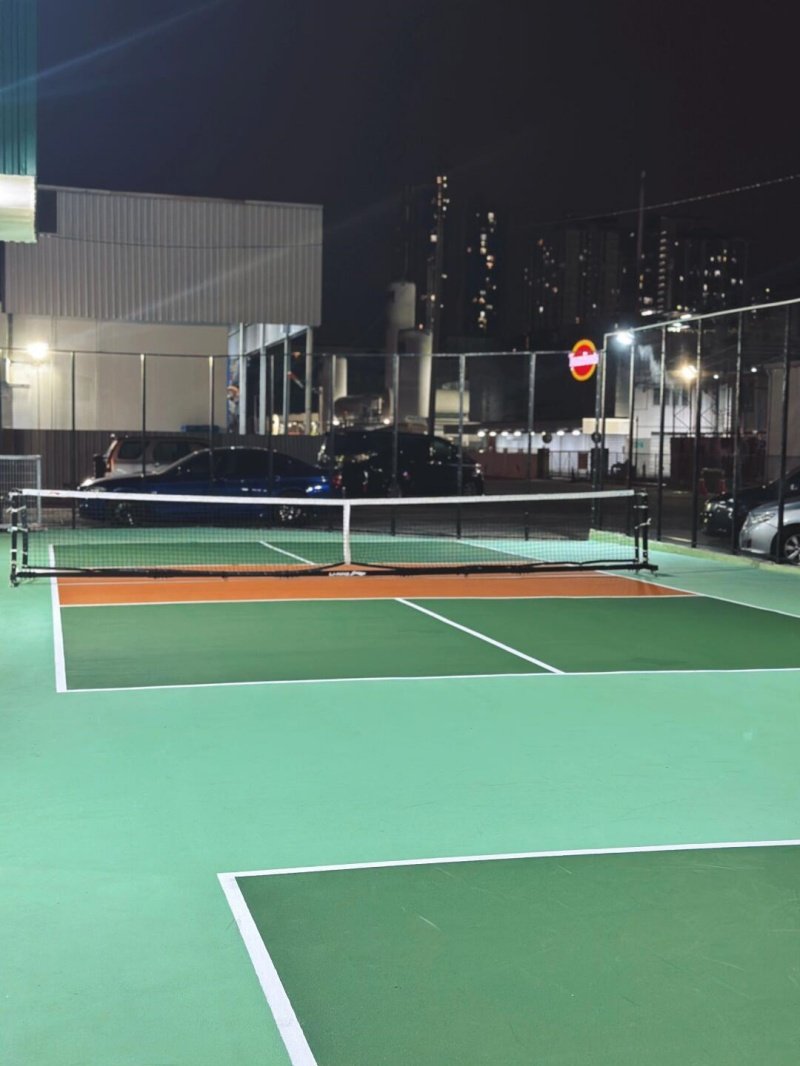
The cheapest way to build a pickleball court is by painting lines on an existing flat surface like a driveway and using a portable pickleball net4.
Budget-Friendly Court Options
| Element | Budget Option | Approximate Cost |
|---|---|---|
| Surface | Existing concrete/asphalt | Free |
| Lines | Outdoor paint or tape | $20 - $50 |
| Net System | Portable pickleball net | $100 - $200 |
| Accessories (paddles, balls) | Starter kit | $30 - $100 |
Tips for Saving
- Use chalk for temporary lines.
- Build a half-court for drills and practice.
- Partner with neighbors to share a net system.
This setup is great for casual games and practice without a large financial investment.
Conclusion
A pickleball court is 20x44 feet, but you need more room for comfort. You can go small or cheap, but know the trade-offs.
-
Understand the non-volley zone (kitchen) and its role in regulating gameplay. ↩
-
Learn why run-off space is essential for player safety and proper court design. ↩
-
Explore how additional buffer space enhances player movement and reduces injury risk. ↩
-
Discover the benefits and features of a portable pickleball net for flexible setups. ↩