Skip to content

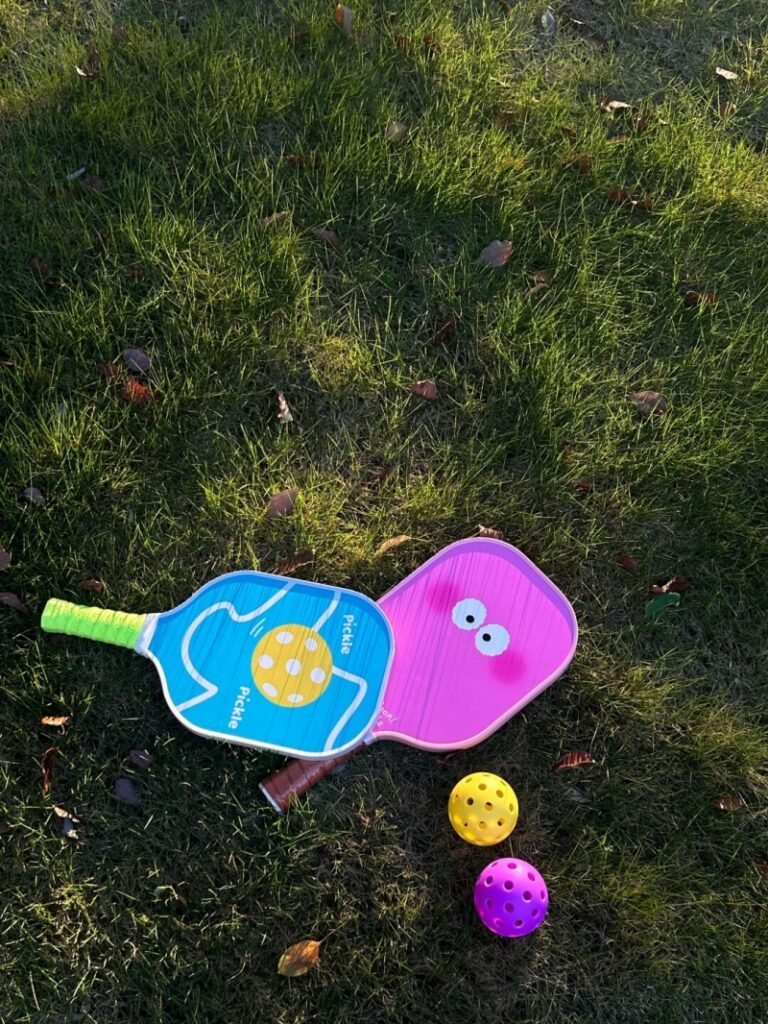

Choosing the right pickleball ball matters for gameplay, but how does its size compare to other sports balls? Let's explore its dimensions and variations.
A pickleball ball is smaller than a tennis ball but larger than a wiffle ball1. It has a standardized size2 for consistent play across indoor and outdoor courts.
Understanding the size and design of a pickleball ball helps players select the best option for their game.
Are pickleballs the same size as tennis balls?
Tennis balls and pickleballs may seem similar, but their size, weight, and construction differ significantly.
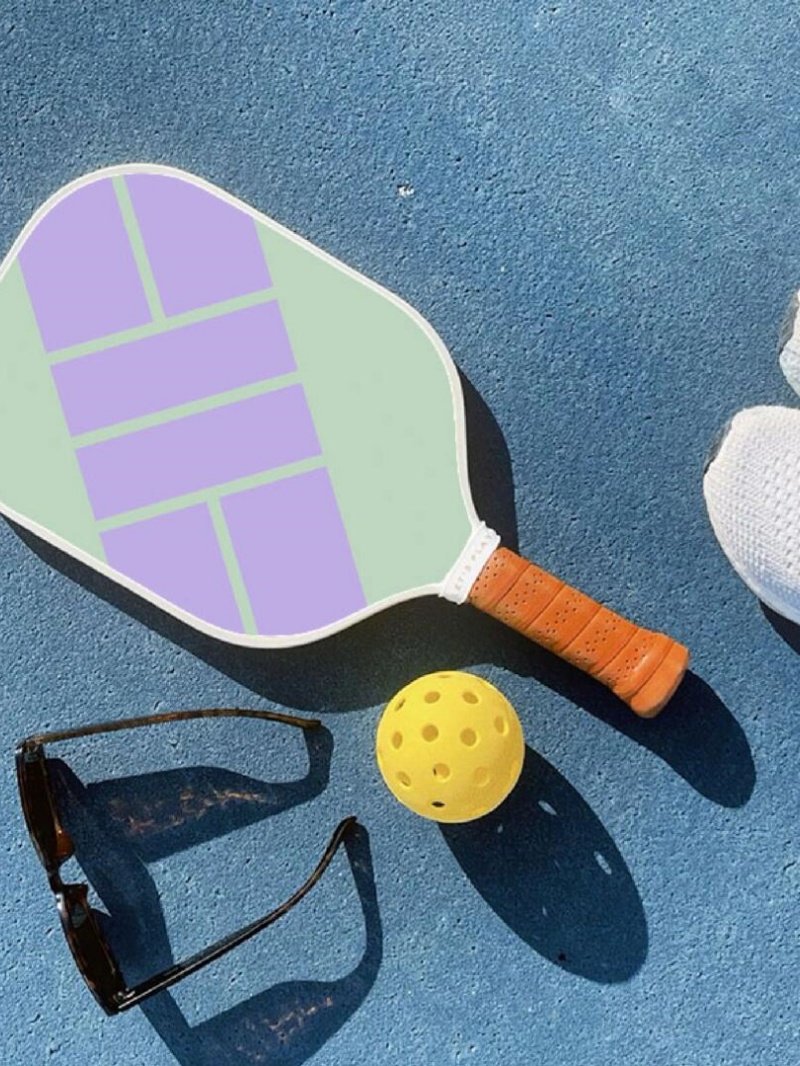
Pickleballs are smaller than tennis balls, measuring about 2.87 to 2.97 inches3 in diameter, whereas tennis balls measure about 2.57 to 2.70 inches but are heavier.
Size and Weight Comparison
| Ball Type | Diameter (inches) | Weight (ounces) | Material |
|---|---|---|---|
| Pickleball | 2.87 - 2.97 | 0.78 - 0.935 | Hard plastic |
| Tennis Ball | 2.57 - 2.70 | 1.98 - 2.10 | Pressurized rubber with felt |
Tennis balls are slightly smaller but much heavier, making them bounce higher and travel faster. Pickleballs, being lightweight and perforated, move differently through the air.
What is the standard size for pickleball?
The official rules4 of pickleball define specific size requirements to maintain consistency in the sport.
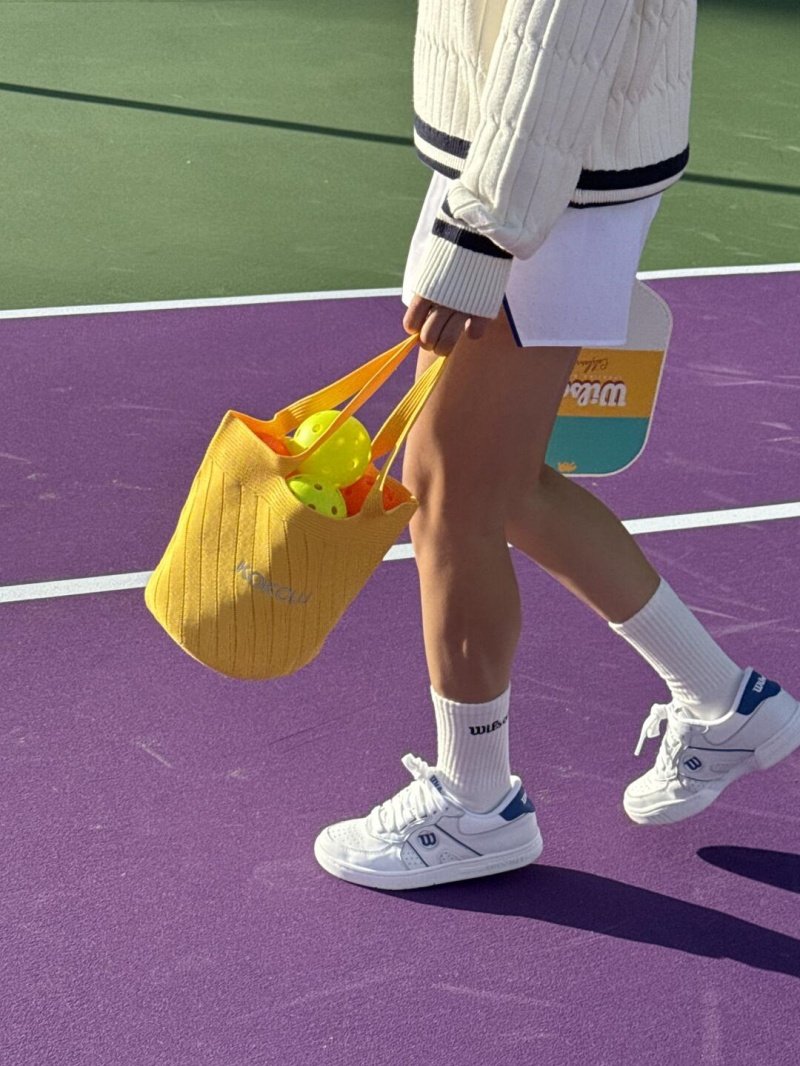
The standard pickleball ball must have a diameter between 2.87 and 2.97 inches and weigh between 0.78 and 0.935 ounces.
Official Standards
| Specification | Measurement |
|---|---|
| Diameter | 2.87 - 2.97 inches |
| Weight | 0.78 - 0.935 ounces |
| Hole Count | 26 - 40 holes |
| Material | Durable polymer |
These precise measurements ensure that all balls used in competition meet consistent playability standards.
What is the difference between yellow and orange pickleballs?
Pickleball balls come in various colors, with yellow and orange being the most common. But does color affect performance?
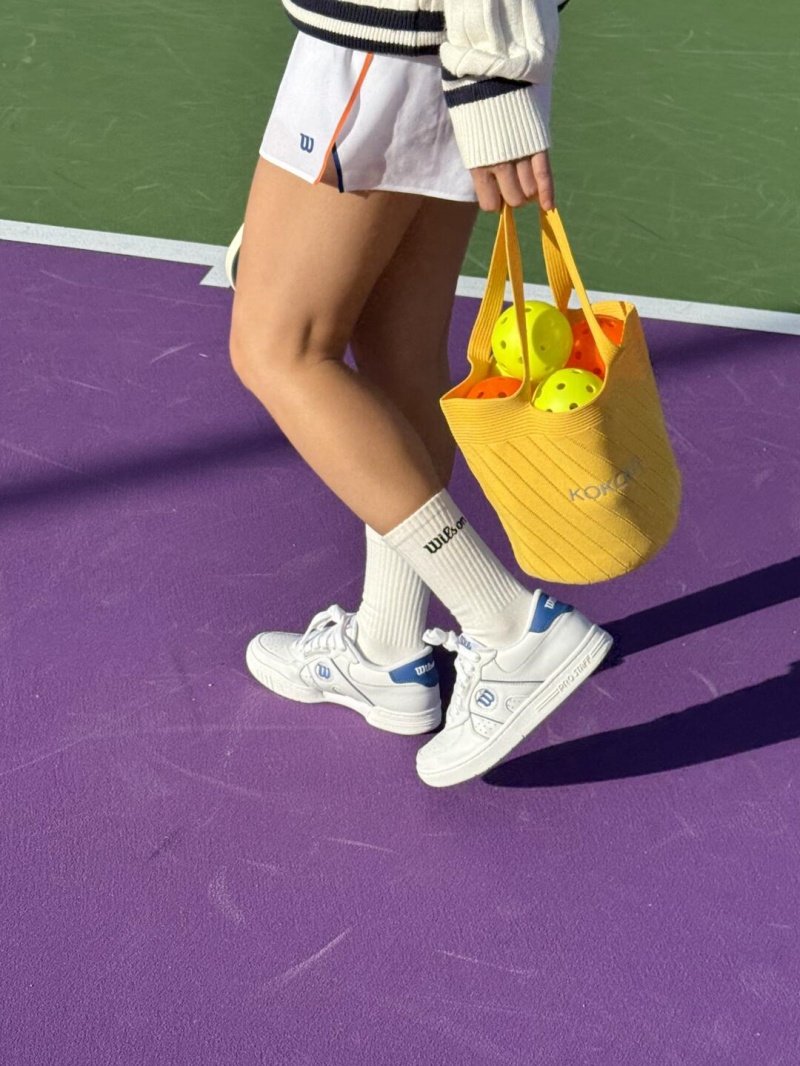
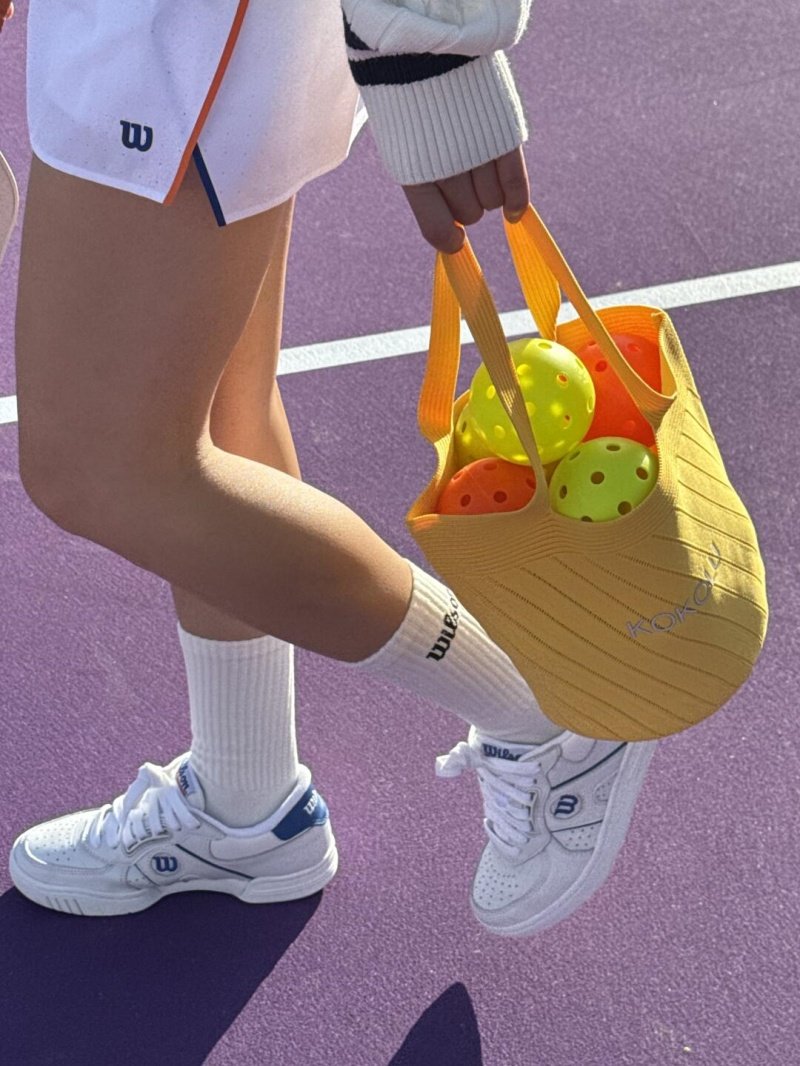
Yellow and orange pickleballs differ mainly in visibility. Yellow is commonly used for outdoor play, while orange is preferred for indoor courts with lighter backgrounds.
Color and Visibility
| Color | Best For | Reason |
|---|---|---|
| Yellow | Outdoor play | High contrast against blue skies and green surfaces |
| Orange | Indoor play | Stands out against white or gray gym walls |
The color choice depends on the playing environment, ensuring the ball remains visible throughout the game.
Are pickleballs just wiffle balls?
Pickleballs and wiffle balls look similar due to their plastic construction and perforations, but they serve different purposes.
Pickleballs are harder, heavier, and designed for consistent bounce, while wiffle balls are lighter and made for unpredictable movement in baseball practice.
Pickleball vs. Wiffle Ball
| Feature | Pickleball Ball | Wiffle Ball |
|---|---|---|
| Material | Durable polymer | Soft plastic |
| Weight | 0.78 - 0.935 ounces | 0.7 ounces |
| Hole Pattern | Evenly spaced, uniform size | Larger holes on one side for curveball effect |
| Purpose | Pickleball gameplay | Baseball training and casual play |
While they may look alike, pickleballs are designed for controlled play on courts, whereas wiffle balls are engineered for unpredictable flight patterns.
Conclusion
Pickleball balls have unique size and design specifications that distinguish them from tennis balls and wiffle balls. Their colors, weight, and materials optimize them for the best playing experience.
-
Clarifies differences between wiffle balls and pickleball balls in design and purpose. ↩
-
Learn why standardized size is critical for consistent play. ↩
-
Reference data for diameter measurements of pickleball balls used in standard play. ↩
-
Provides details on official rules ensuring consistency in pickleball ball specifications. ↩