Skip to content

Pickleball can be frustrating when you keep losing. You need a strategy to win consistently. Without one, you rely only on luck.
The best pickleball strategy focuses on consistency, control, and positioning to outlast and outplay opponents effectively.
Mastering a strategic approach makes the game more enjoyable and improves your win rate. Let’s explore the best tactics to enhance your game.
What is the golden rule of pickleball?
In pickleball, making unforced errors1 costs you points. Playing smart and minimizing mistakes is key to winning more games.
The golden rule of pickleball is to keep the ball in play and reduce unforced errors, forcing opponents to make mistakes first.
The Importance of Consistency
A strong pickleball player focuses on steady play rather than risky shots. Here’s a breakdown of why consistency matters:
| Factor | Impact on Game |
|---|---|
| Fewer Errors | Reduces easy points for opponents |
| Ball Control | Forces opponents into tough positions |
| Rally Building2 | Creates pressure, leading to mistakes |
By playing controlled shots and keeping the rally going, you force your opponent into errors rather than giving away easy points.
What is a good strategy in pickleball?
Winning in pickleball isn’t just about power. Players who use strategy have a greater chance of winning consistently.
A good strategy in pickleball includes maintaining net control3, placing shots strategically, and communicating effectively with a partner.
Key Strategic Elements
Here are some crucial tactics for better gameplay:
1. Net Control
- Move to the non-volley zone4 quickly.
- Keep opponents at the baseline.
- Use dinks5 to set up attacking shots.
2. Shot Placement
- Aim for opponents’ feet to limit their options.
- Target weaker players when playing doubles.
- Mix up shots to keep opponents guessing.
3. Effective Communication (Doubles Play)
- Call shots clearly to avoid confusion.
- Maintain a balanced court position.
- Cover each other’s weaknesses.
Mastering these strategies will give you an edge in every match.
How to beat anyone at pickleball?
Beating tough opponents requires more than just skill. It demands adaptability and mental focus.
To beat any pickleball player, analyze their weaknesses, adjust your strategy, and play with patience and precision.
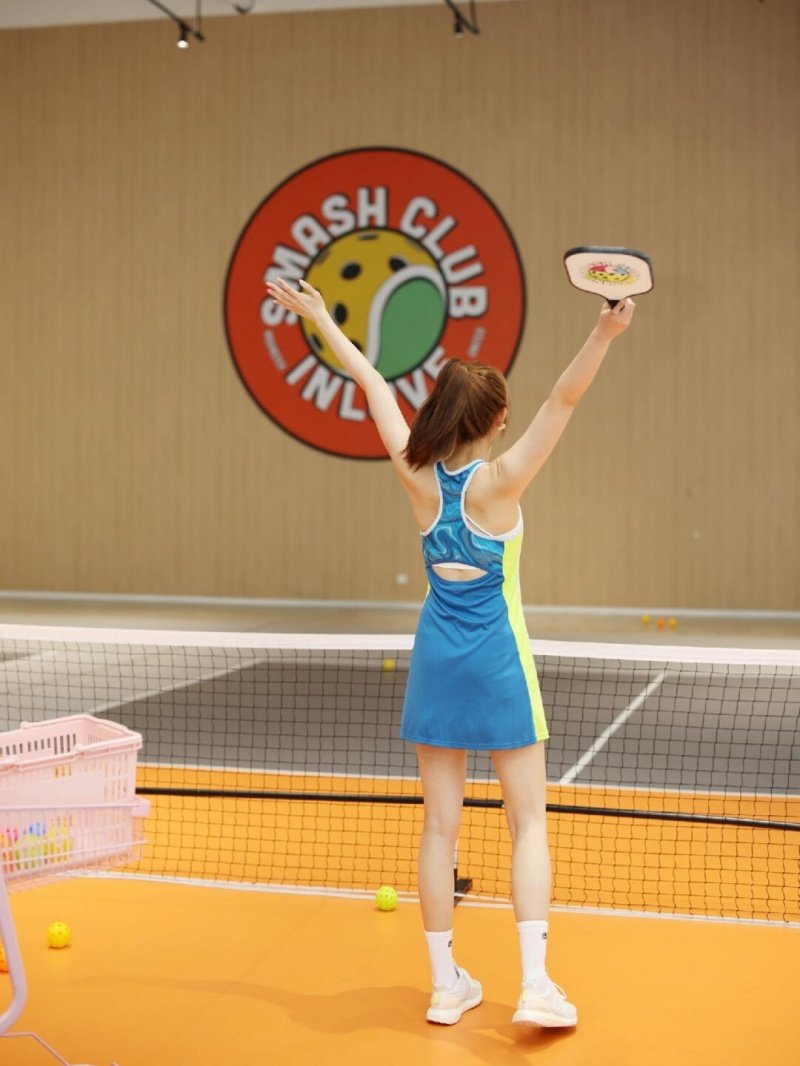
Steps to Outplay Any Opponent
| Strategy | How It Helps |
|---|---|
| Study Their Game | Identify weaknesses and exploit them |
| Play Smart | Avoid risky shots and force errors |
| Stay Patient | Win through consistent play |
| Control the Net | Limit their attacking chances |
By recognizing patterns in your opponent’s play and adjusting accordingly, you increase your chances of winning significantly.
How to quickly get better at pickleball?
Improving in pickleball doesn’t take years—it just requires focused practice and key techniques.
To get better at pickleball fast, practice regularly, work on control and consistency, and learn from experienced players.
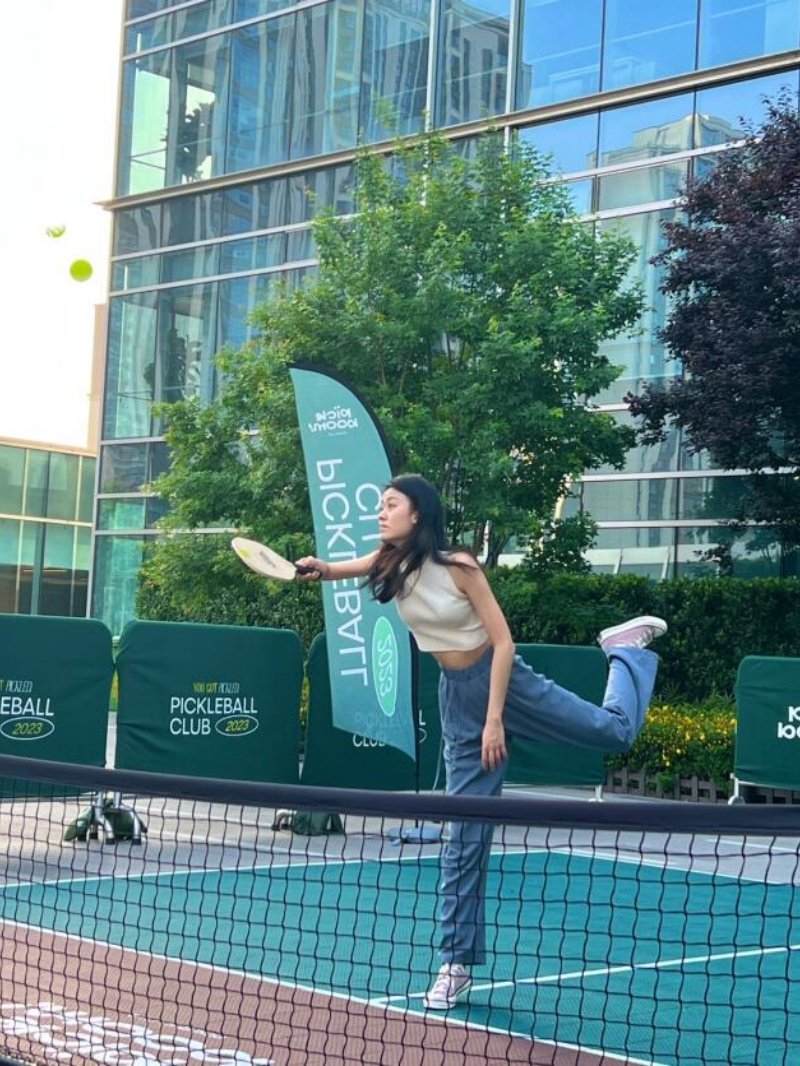
Key Areas for Rapid Improvement
1. Drills and Practice
- Work on dinking and volley control.
- Improve your serve and return consistency.
- Practice footwork for better court positioning.
2. Watching and Learning
- Observe professional matches to learn strategies.
- Take lessons from experienced players.
- Play with better opponents to challenge yourself.
3. Fitness and Reflexes
- Improve agility with quick movement drills.
- Build endurance to sustain longer rallies.
- Strengthen core muscles for better stability.
By consistently working on these areas, you can improve your pickleball skills much faster.
Conclusion
Winning in pickleball requires smart play, consistency, and adaptability. Focus on reducing errors, controlling the net, and refining strategies for better performance.
-
Learn how unforced errors impact game strategy and scoring in pickleball. ↩
-
Explore how rally building creates pressure and forces opponents into errors. ↩
-
Understand how maintaining net control provides a competitive edge in pickleball. ↩
-
Learn why the non-volley zone is crucial for defensive and offensive play in pickleball. ↩
-
Discover the role of dinks in setting up attacks and controlling game pace. ↩