Skip to content

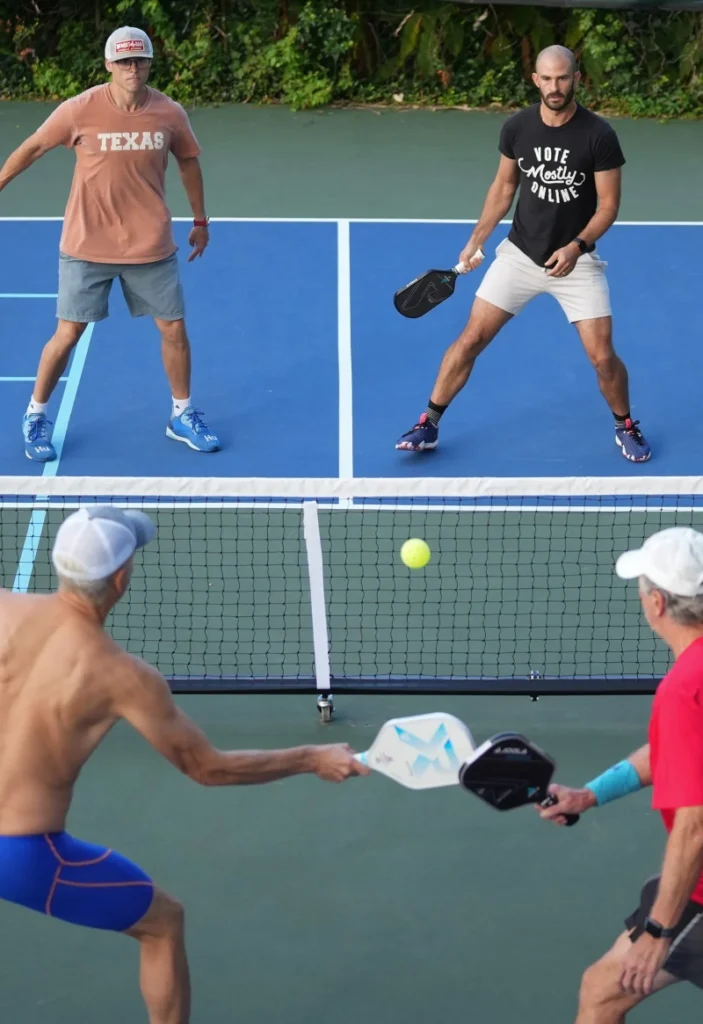
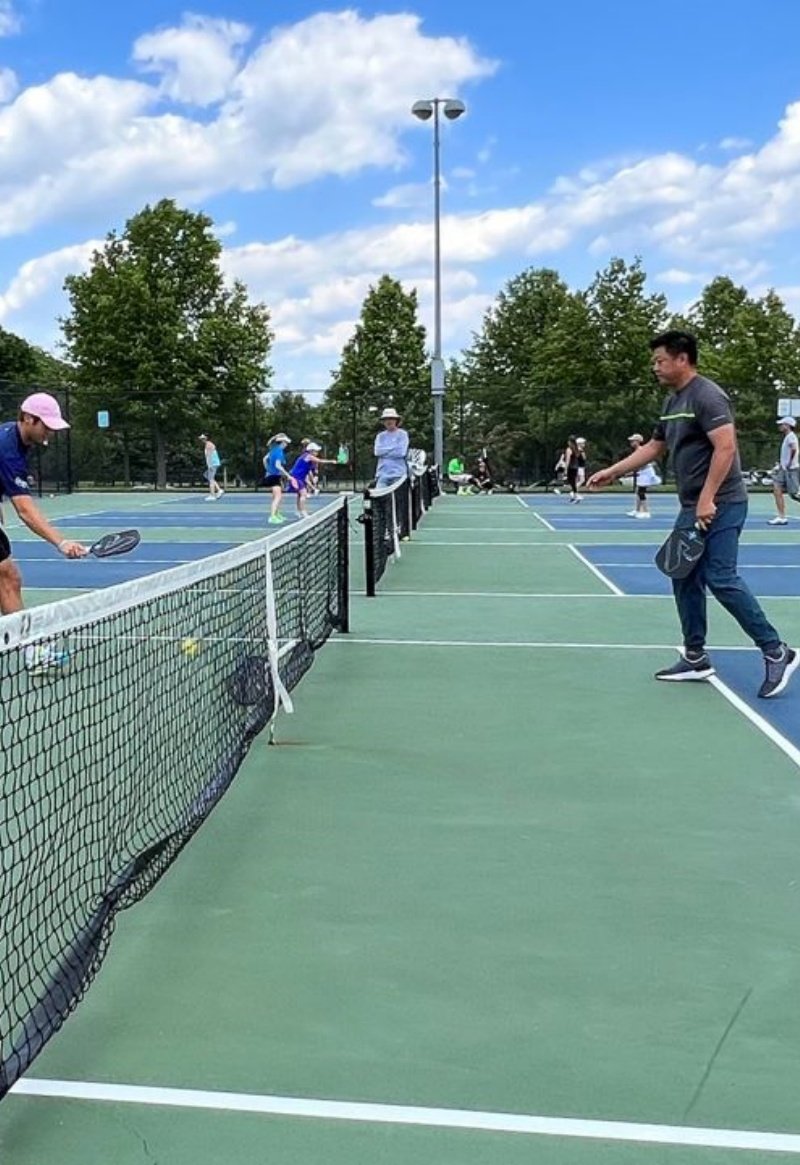
Playing pickleball on concrete may seem like a convenient option, but it raises questions about safety and performance. Can concrete really support the game?
Yes, you can play pickleball on concrete, but it comes with pros and cons. The surface can impact your game and even your health.
Wondering if it’s the best option for you? Let’s dive deeper into the surface considerations and game impact.
Can you play pickleball on a concrete driveway?
Playing pickleball on a concrete driveway might seem tempting due to the convenience of the space, but there are important factors to consider.
Playing pickleball on a concrete driveway is possible, but it can be tough on your joints due to its hardness and unevenness.
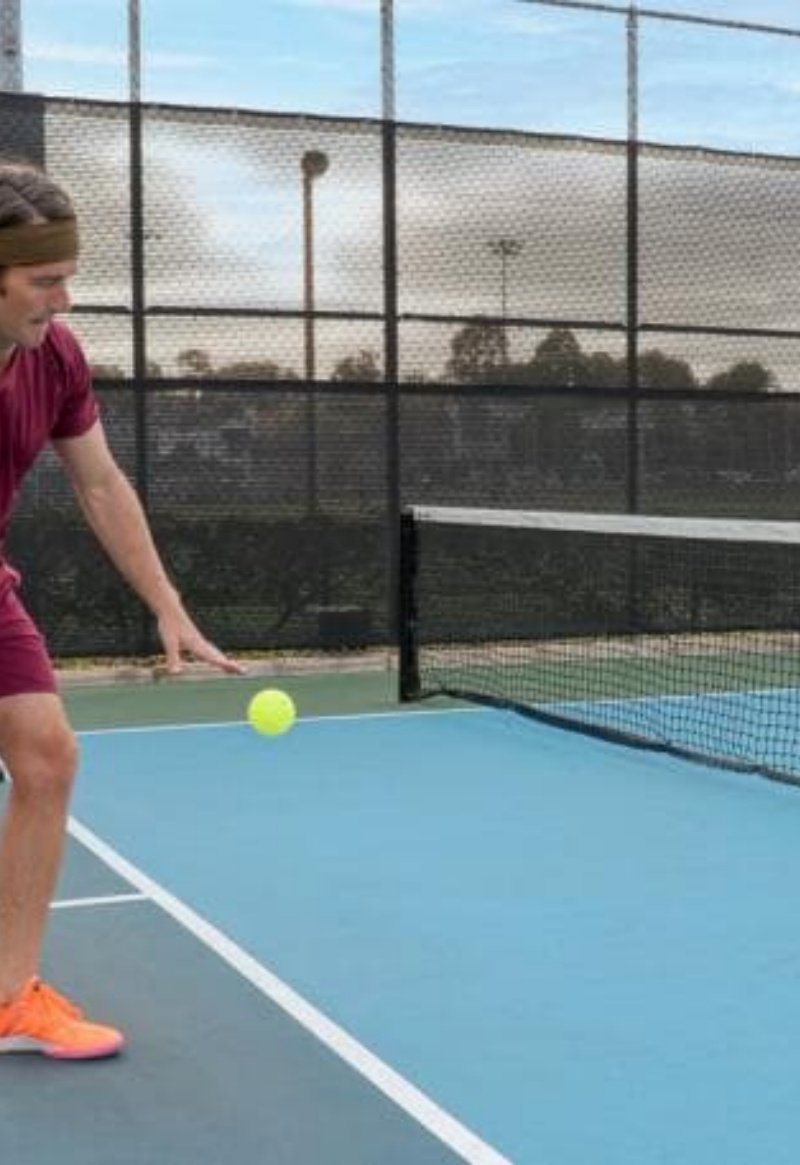
Concrete driveways often have cracks and rough spots, making the surface less than ideal for pickleball. The lack of cushion can lead to more intense wear and tear on your body, especially your knees and ankles. Plus, the surface can affect ball bounce, altering your game strategy.
Pros of Playing on Concrete Driveways
- Convenient: You already have the space.
- Durability: Concrete is tough and long-lasting.
Cons of Playing on Concrete Driveways
- Hard on the body: Concrete is unforgiving to joints.
- Uneven surfaces: Cracks and gaps can cause ball unpredictability.
What kind of surface can you play pickleball on?
Choosing the right surface for pickleball is crucial for both performance and safety. Let’s explore some of the most common surfaces.
You can play pickleball on various surfaces, including asphalt1, concrete2, and synthetic materials3, each offering distinct benefits and challenges.
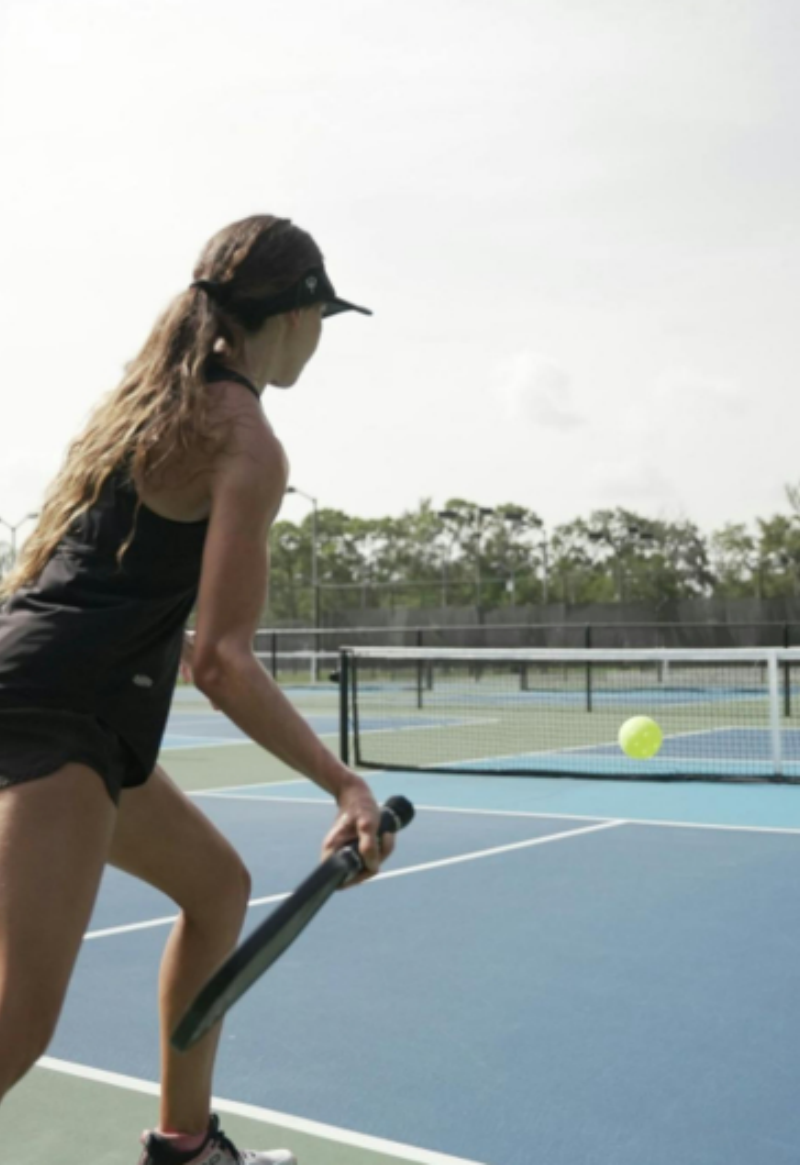
Different surfaces can change how the ball bounces, how it feels underfoot, and how much wear and tear your body endures during the game. Asphalt and concrete are common but harder on joints, while synthetic courts offer more cushion and smoother play.
Surface Comparison Table
| Surface Type | Ball Bounce | Joint Comfort | Durability | Cost |
|---|---|---|---|---|
| Concrete | High | Low | Very High | Low |
| Asphalt | Medium | Medium | High | Low |
| Synthetic (Polymer) | Medium | High | Medium | Medium |
| Wood (Indoor) | Low | High | Medium | High |
Which pickleball to use on concrete?
Choosing the right pickleball for concrete surfaces is essential for optimal play. Certain types of pickleballs are better suited for harder surfaces.
When playing on concrete, opt for a durable pickleball made of harder plastic or polymer4 material to ensure consistent performance.
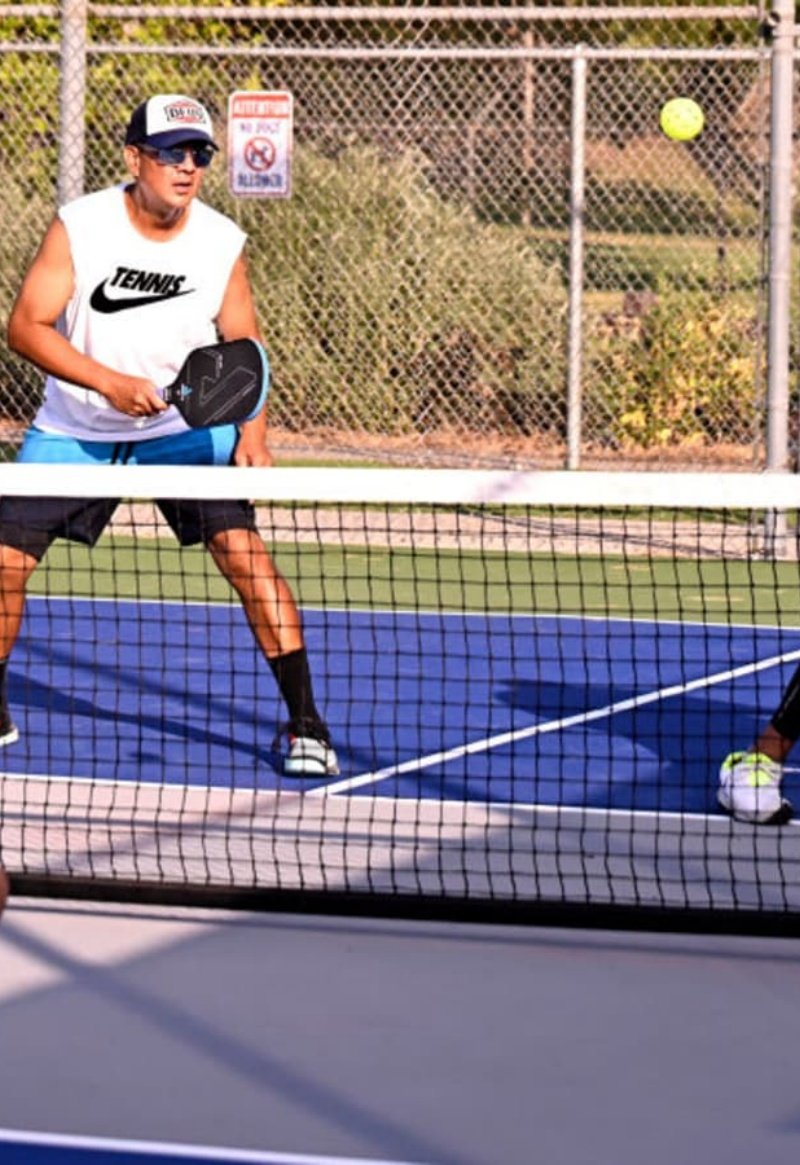
Concrete’s hardness requires a ball that can withstand intense wear. Using softer balls may lead to faster damage, affecting their bounce and flight. On concrete, hard plastic balls maintain their integrity longer and provide a better bounce.
Best Pickleballs for Concrete
- Polymer balls: Durable and retain their shape on hard surfaces.
- Outdoor balls: Typically harder and less affected by wind.
Are pickleball courts better on concrete or asphalt?
Both concrete and asphalt are common surfaces for outdoor pickleball5 courts, but which one is better?
Both concrete and asphalt have pros and cons when it comes to pickleball courts, but asphalt is often preferred for its balance of durability and comfort.
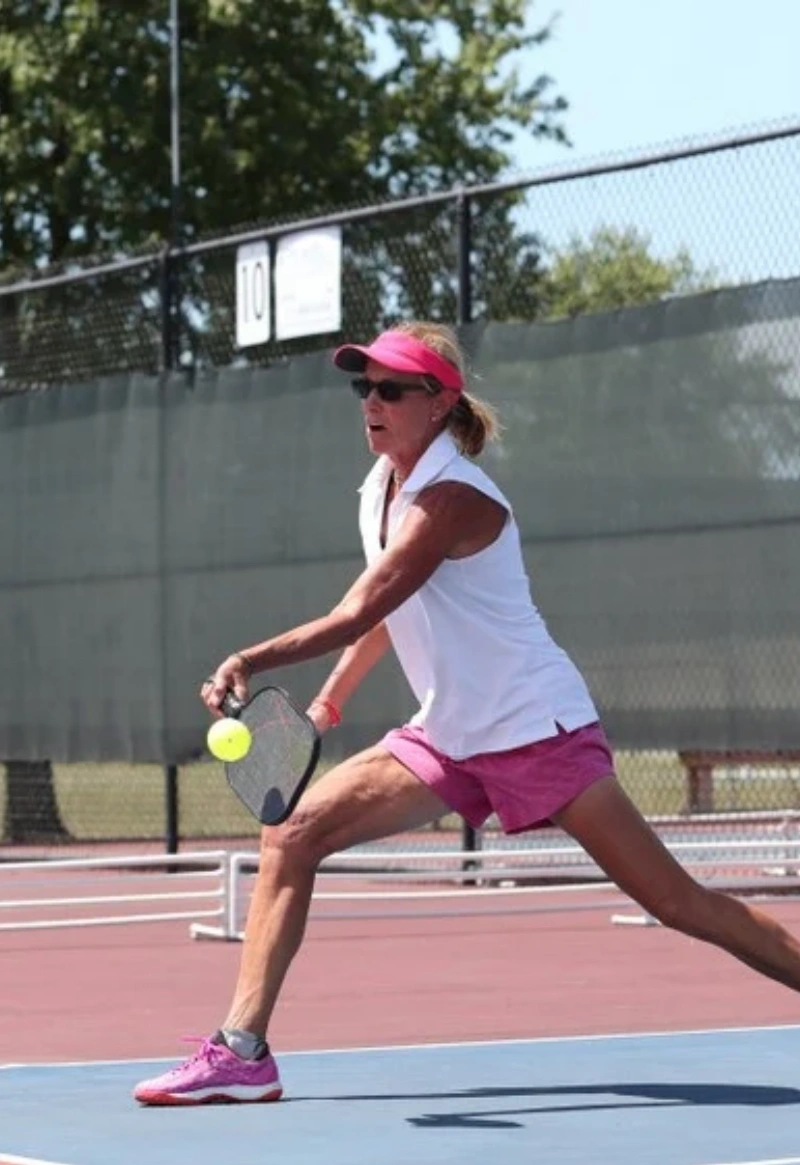
While concrete offers exceptional durability, it lacks the flexibility that asphalt provides, which can be gentler on the body. Asphalt also has a bit more "give," making it easier on joints while maintaining a good ball bounce.
Concrete vs Asphalt Court Comparison
| Feature | Concrete | Asphalt |
|---|---|---|
| Durability | Very High | High |
| Joint Comfort | Low | Medium |
| Ball Bounce | High | Medium |
| Installation Cost | Low | Low |
Conclusion
Playing pickleball on concrete is possible, but asphalt or synthetic materials are often better for your body and game.
-
Learn why asphalt is often used for pickleball courts, offering a good balance of durability and comfort. ↩
-
Discover how concrete, while durable, may negatively impact your joints and game play due to its hardness. ↩
-
Understand the benefits of synthetic surfaces, which provide more cushion and smoother play for pickleball. ↩
-
Find out why polymer balls are better for harder surfaces like concrete, offering more durability and bounce. ↩
-
Learn why outdoor balls are preferred for concrete surfaces and how they differ from indoor balls. ↩