Skip to content


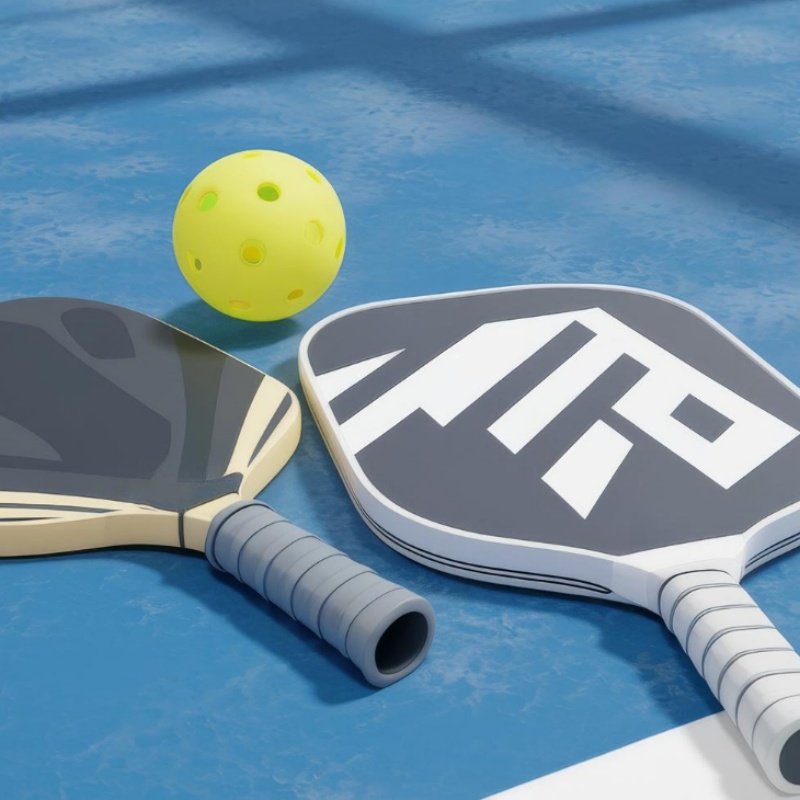
Pickleball paddles come in different types, brands, and materials. Understanding these variations can help you choose the right one for your game.
Pickleball paddles vary by type, material, and design, which can impact your gameplay experience. Here's what you need to know.
Curious about what sets each pickleball paddle apart? Continue reading to find the best one suited to your playing style.
How many types of pickleball paddle are there?
Pickleball paddles come in various types, designed to suit different playing styles and preferences. Knowing which one works for you can elevate your game.
There are several types of pickleball paddles, including composite1, wooden2, and graphite3, each offering different features for players.

When choosing a pickleball paddle, it’s important to consider the material, weight, and shape. These factors influence how the paddle feels during play, how much power it generates, and how much control it provides.
Composite Paddles
Composite paddles are popular because they offer a balance between power and control. Made from a combination of materials like fiberglass and polymer, these paddles are durable and offer great touch.
Wooden Paddles
While heavier, wooden paddles are more affordable and are often used by beginners. They may lack the finesse of more expensive paddles but are still a reliable choice.
Graphite Paddles
Graphite paddles are light and offer excellent control. Their smooth surface makes them a favorite for advanced players who seek precision in their shots.
| Paddle Type | Advantages | Disadvantages |
|---|---|---|
| Composite | Great balance of power and control | Slightly heavier than graphite |
| Wooden | Affordable, durable | Heavier, less control |
| Graphite | Lightweight, precise control | Higher cost, less durable |
Is there really a difference between pickleball paddles?
There are clear differences in pickleball paddles, depending on the materials, design, and craftsmanship. These differences can greatly impact your playing experience.
Yes, pickleball paddles vary in design, materials, and performance features that cater to different playing styles.

Understanding the differences between paddles helps you make a better decision based on your needs. For instance, a heavier paddle offers more power, while a lighter one allows quicker reactions.
Material Differences
The material used to make the paddle directly influences its performance. Graphite4 is lightweight and precise, while composite5 paddles are designed for durability and control. Wooden paddles are basic and affordable but lack finesse.
Shape and Weight
The shape of the paddle can impact how it handles. Larger faces provide a bigger sweet spot, while smaller paddles allow for quicker maneuvers. Lighter paddles offer faster reactions, whereas heavier paddles generate more power but require more effort to control.
| Feature | Graphite | Composite | Wooden |
|---|---|---|---|
| Weight | Light | Medium | Heavy |
| Durability | Moderate | High | High |
| Control | High | Moderate | Low |
| Power | Moderate | High | Low |
How many pickleball paddle brands are there?
There are numerous pickleball paddle brands, each with its own unique offerings and price points. Some focus on quality, while others prioritize affordability.
There are many reputable pickleball paddle brands, ranging from high-end to budget-friendly options.

When choosing a brand, it’s essential to look for one that balances quality, price, and performance. Popular brands are known for their craftsmanship and commitment to advancing pickleball equipment.
Leading Brands
Brands like Selkirk, Paddletek, and Onix are known for producing high-quality paddles that are widely used by both amateur and professional players. These brands offer a range of paddles catering to various skill levels and preferences.
Budget-Friendly Brands
For those just getting started or looking to save, brands like Wilson and Franklin provide affordable options without compromising too much on quality.
| Brand | Price Range | Popularity | Quality Rating |
|---|---|---|---|
| Selkirk | High | High | Excellent |
| Paddletek | Medium-High | High | Excellent |
| Onix | Medium | High | Very Good |
| Wilson | Low-Medium | High | Good |
| Franklin | Low | Medium | Good |
What are the different levels of pickleball paddles?
Pickleball paddles are designed for players at various skill levels. The level you play at can influence the type of paddle that works best for you.
Pickleball paddles are available in different levels, including beginner, intermediate, and advanced.

As a beginner, you might prefer a paddle that offers more control and stability. For advanced players, the focus shifts to power, control, and performance.
Beginner Level
Beginner paddles are generally heavier and offer more stability. These paddles are typically made of wood or low-cost composites.
Intermediate Level
Intermediate paddles are usually lighter, with a better balance of control and power. They tend to be made of composite materials like fiberglass and polymer.
Advanced Level
Advanced paddles are lightweight and crafted from high-end materials like graphite. They offer the best control and performance for experienced players.
| Skill Level | Paddle Weight | Paddle Material | Focus |
|---|---|---|---|
| Beginner | Heavy | Wood/Basic Composite | Stability, Control |
| Intermediate | Medium | Composite/Polymer | Balance of Power & Control |
| Advanced | Light | Graphite/High-end Composite | Precision, Power |
Conclusion
Choosing the right pickleball paddle is essential for improving your game. Consider the material, weight, and brand to find the best fit for you.
-
Composite paddles are a blend of materials like fiberglass and polymer, balancing durability and control. ↩
-
Wooden paddles are affordable but heavier, making them suitable for beginners. ↩
-
Graphite paddles are light and provide excellent control for advanced players. ↩
-
Graphite paddles are known for their lightweight nature and precision. ↩
-
Composite paddles are made for durability and a good balance of power and control. ↩