Skip to content

Carbon fiber is known for its strength, but with various types available, how do you know which one to choose? Let's break it down.
Raw carbon fiber1 is unprocessed and needs to be woven or molded into usable forms. It offers the base strength for advanced products.
Understanding raw carbon fiber is essential if you're planning to use it in your projects. Keep reading to learn more about the differences in fiber types.
Which is stronger 3K or 12K carbon fiber?
Carbon fiber options like 3K and 12K are often compared, but what makes one stronger than the other? Let’s explore.
3K carbon fiber2 has a finer weave, offering flexibility, while 12K is thicker and stiffer, providing more strength and durability.
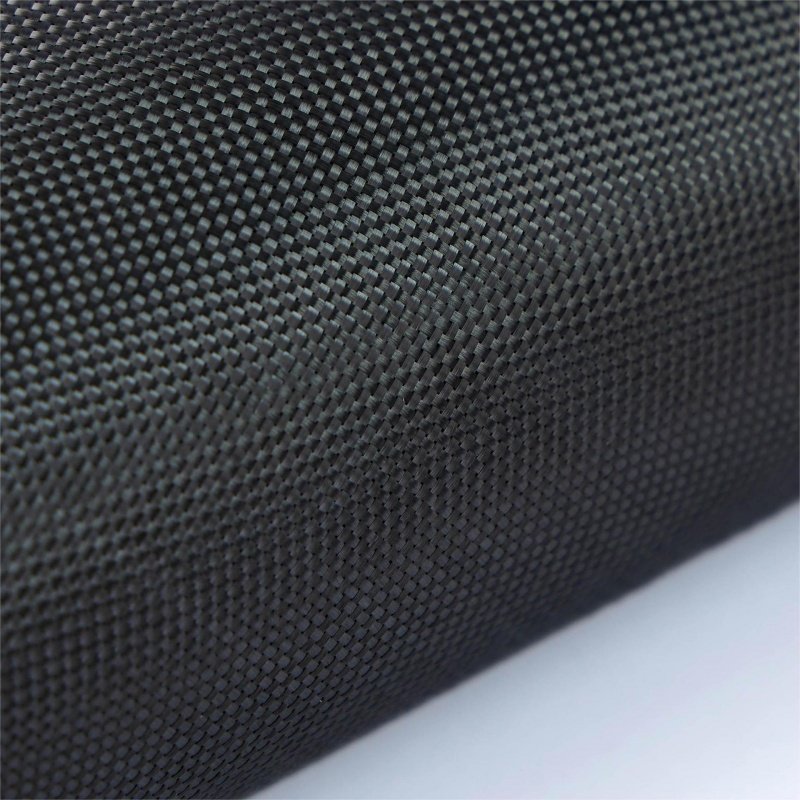
The strength comparison between 3K and 12K carbon fiber isn't straightforward. It depends on several factors like thickness, weave, and the number of fibers per bundle. Here's a breakdown:
Strength Differences Between 3K and 12K Carbon Fiber
| Property | 3K Carbon Fiber | 12K Carbon Fiber |
|---|---|---|
| Fiber Bundle | 3,000 filaments | 12,000 filaments |
| Weave Type | Finer Weave | Coarser Weave |
| Flexibility | High | Low |
| Durability | Medium | High |
| Weight | Lighter | Heavier |
As the table shows, while 3K is more flexible, 12K's added strength makes it the better option for applications requiring heavy-duty performance.
What is the difference between raw carbon fiber and carbon fiber?
Raw carbon fiber is just one stage in the creation of carbon fiber products. Let’s dive deeper into how it differs from finished carbon fiber.
Raw carbon fiber3 is the basic material before any processing, while carbon fiber refers to the finished product after weaving and bonding.

To better understand the difference between raw and finished carbon fiber, consider the manufacturing process. Raw carbon fiber needs to undergo several steps, including weaving into fabrics and binding into usable shapes. Finished carbon fiber products, however, have already gone through these processes and are ready for use in products such as automotive parts, sports equipment, and aerospace technology.
Key Stages in Carbon Fiber Manufacturing
| Stage | Raw Carbon Fiber | Finished Carbon Fiber |
|---|---|---|
| Form | Unwoven fiber strands | Woven or molded fabric |
| Strength | Base strength | Optimized for specific uses |
| Durability | Depends on weaving | Enhanced through treatment and layering |
| Application Readiness | Not ready for use | Ready for construction, manufacturing, or retail |
Understanding these stages helps highlight why raw carbon fiber, while strong, is not as functional until processed into finished goods.
What is the difference between 3K and T700 carbon fiber?
The distinctions between 3K and T700 carbon fiber might seem small, but they have significant implications for their uses.
3K refers to the number of filaments per bundle, while T7004 is a specific type of carbon fiber known for its strength-to-weight ratio.
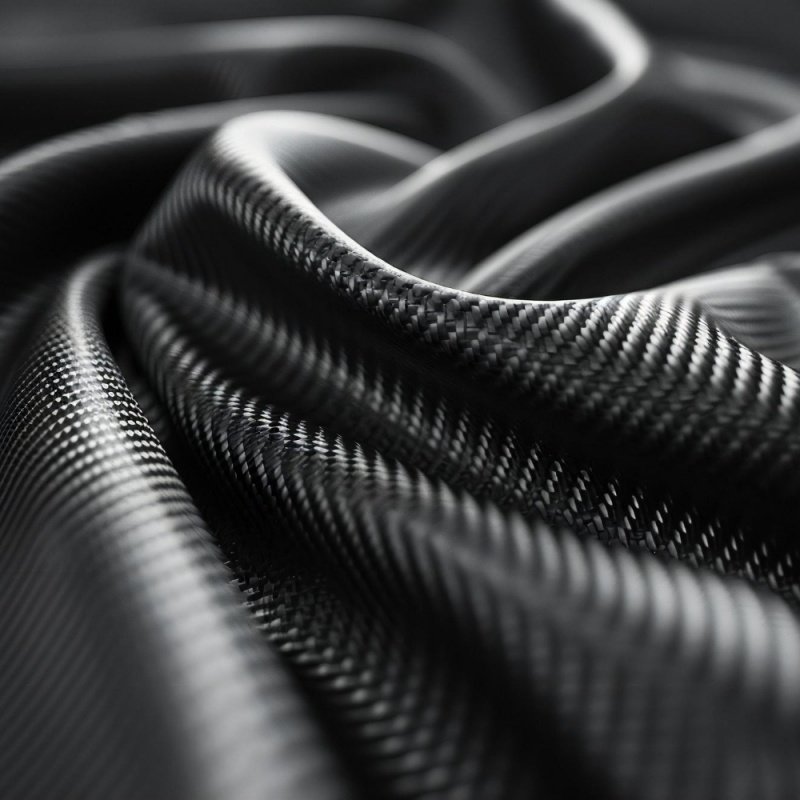
T700 carbon fiber is often used in high-performance applications like aviation and racing due to its superior strength and lighter weight compared to other fiber types. Meanwhile, 3K refers to the weave and fiber bundle size, which is more about how the fibers are structured rather than the exact material strength.
Comparison Between 3K and T700 Carbon Fiber
| Feature | 3K Carbon Fiber | T700 Carbon Fiber |
|---|---|---|
| Fiber Bundle Size | 3,000 filaments | Variable (T700 is a grade) |
| Use | General-purpose | High-performance, lightweight |
| Durability | Medium | High |
| Weight | Moderate | Light |
T700 fiber is ideal for creating lightweight, durable materials used in high-stress environments, while 3K carbon fiber is often used for products that don’t require the same level of performance.
What is type 1 and type 2 carbon fiber?
When discussing types of carbon fiber, understanding the difference between type 1 and type 2 carbon fiber helps clarify their applications.
Type 1 is a basic carbon fiber used for general purposes, while Type 25 is a high-strength version suitable for more demanding tasks.
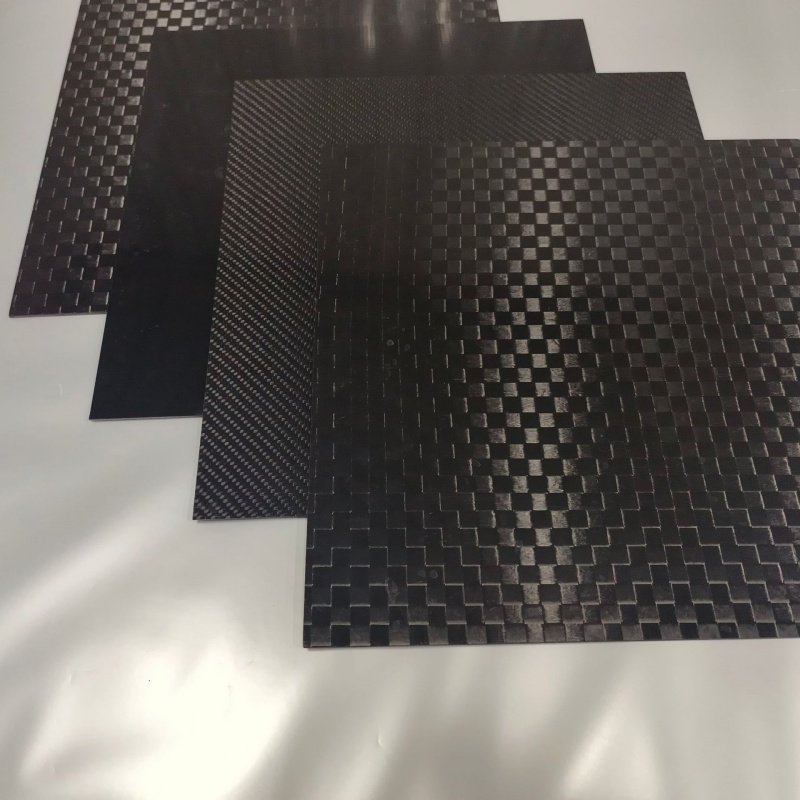
Type 1 carbon fiber is typically more affordable and used for standard applications such as sports equipment or structural parts. Type 2 carbon fiber is designed for extreme performance, offering better durability, heat resistance, and overall strength.
Comparison of Type 1 vs Type 2 Carbon Fiber
| Feature | Type 1 Carbon Fiber | Type 2 Carbon Fiber |
|---|---|---|
| Strength | Moderate | High |
| Cost | Low | High |
| Applications | General use | Aerospace, automotive, military |
| Durability | Medium | High |
As you can see, Type 2 carbon fiber's added strength makes it suitable for more demanding uses, while Type 1 provides a more budget-friendly option for lighter applications.
Conclusion
Raw carbon fiber comes in many forms, each offering unique properties tailored for different applications.
-
Raw carbon fiber is unprocessed and needs weaving or molding into usable products. ↩
-
3K carbon fiber has a finer weave, offering more flexibility compared to 12K. ↩
-
Raw carbon fiber is the base material, unlike finished carbon fiber, which is ready for use. ↩
-
3K refers to the number of filaments in a bundle, while T700 is a high-performance, lightweight grade of carbon fiber. ↩
-
Type 1 carbon fiber is for general use, whereas Type 2 offers higher strength and durability for demanding applications. ↩