Skip to content

Pickleball is a rapidly growing sport, but its history is both unique and surprising. Understanding its origins reveals why it has become so popular.
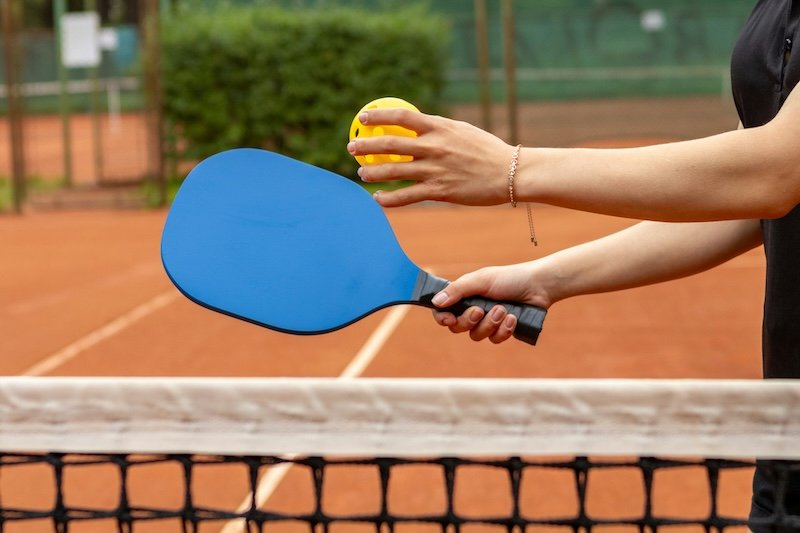
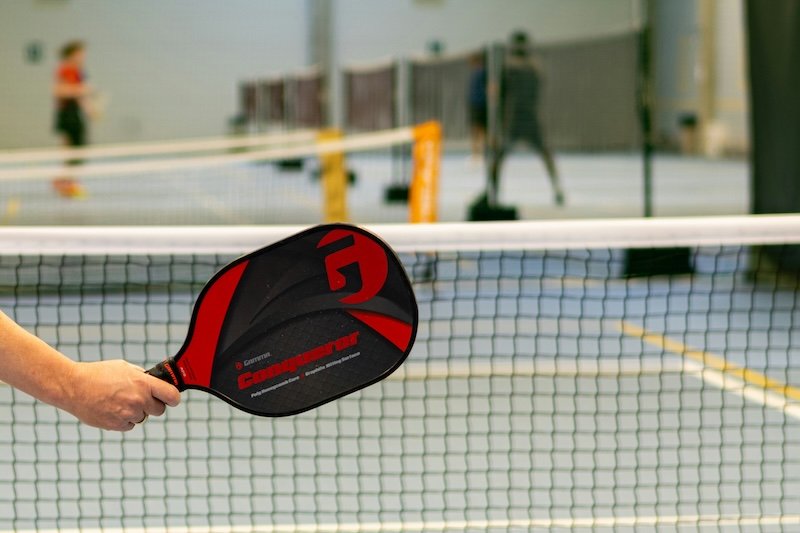
Pickleball is a paddle sport that combines elements of tennis, badminton, and table tennis. Its evolution is intertwined with the development of pickleball paddles.
Curious about how pickleball became such a widely loved game? Read on to uncover its fascinating history and how the paddles used today shape its gameplay.
What is the history of pickleball paddles?
Pickleball paddles have evolved significantly since the sport's inception. Originally, players used makeshift paddles, but modern designs now feature specialized materials for better performance.
The first pickleball paddles were made from wood, but today’s paddles are crafted from advanced composites1, improving strength, durability, and control.
The evolution of pickleball paddles mirrors the sport’s growth. Early paddles were heavy, simple, and often handmade. As the sport gained traction, paddle manufacturers experimented with different materials, including fiberglass2, graphite3, and carbon fiber4. These innovations allowed players to enjoy enhanced control, power, and comfort, making the sport more accessible and enjoyable for all skill levels.
The Early Years of Pickleball Paddles
In the 1960s, when pickleball was first created, paddles were rudimentary and primarily made of wood. The early paddles were large and relatively heavy, which made the game more challenging and less forgiving. As interest in the sport increased, players began to experiment with lighter materials, resulting in a more refined design by the 1980s.
Materials and Design Innovations
By the 1990s, manufacturers started using lightweight composite materials to produce paddles. Fiberglass and carbon fiber became popular due to their combination of strength and lightness. Today, most high-quality paddles are made from a composite blend of these materials, giving players a balance of power and control.
| Material | Characteristics | Pros |
|---|---|---|
| Wood | Heavy, durable, often homemade | Traditional, inexpensive |
| Fiberglass | Light, flexible, cost-effective | Affordable, good control |
| Graphite | Light, strong, offers great power and control | Precision, advanced tech |
| Carbon Fiber | Extremely light, durable, top-tier performance | Optimal power and control |
Who invented pickleball and why?
Pickleball was invented by three dads in the summer of 1965. They were seeking a fun family activity that could be enjoyed by everyone, regardless of age or athletic ability.
Joel Pritchard, Bill Bell, and Barney McCallum were the creators of pickleball, which began as a simple backyard game.
The game of pickleball was born out of necessity. Joel Pritchard, Bill Bell, and Barney McCallum were looking for a way to entertain their families during the summer. They combined elements from various sports to create a game that was simple to learn, fun to play, and suitable for people of all ages and abilities. The sport quickly became popular among family members, and it was soon played in communities across the United States.
The Original Intent
The founders initially created pickleball as a recreational activity, with no thought of it becoming a professional sport. The game's rules were intentionally simple, and it was designed to be easy to set up. Over time, the sport expanded from backyard play to organized tournaments and professional leagues.
The Naming of Pickleball
There are various theories on how the game got its name. The most widely accepted story is that it was named after Pritchard’s dog, Pickles, who would often chase after the ball during games. However, some believe the name comes from the term "pickle boat," referring to a crew in rowing where oarsmen are chosen from the leftovers of other teams. Either way, the name stuck, and pickleball became its own distinct sport.
Is pickleball a paddle sport?
Yes, pickleball is a paddle sport. Players use paddles to hit a ball over a net, combining aspects of tennis, badminton, and table tennis in its gameplay.
Pickleball is often described as a hybrid sport that requires quick reflexes, strategic thinking, and physical endurance, much like other paddle sports.
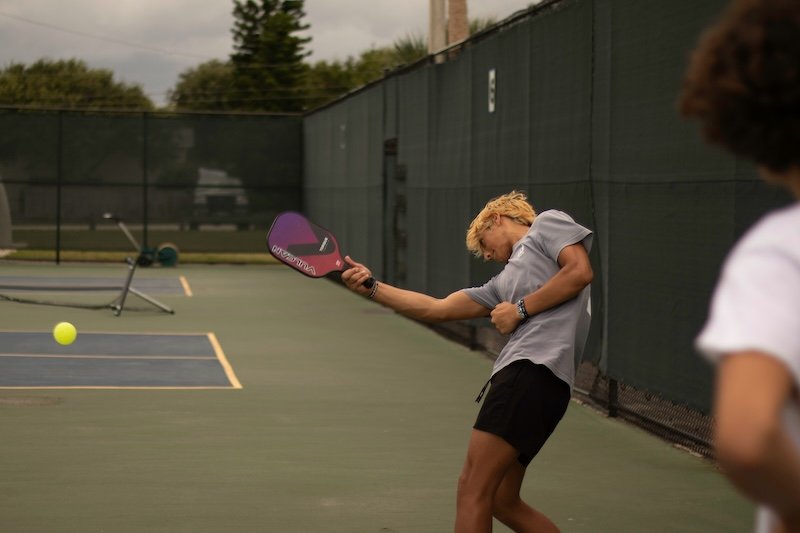
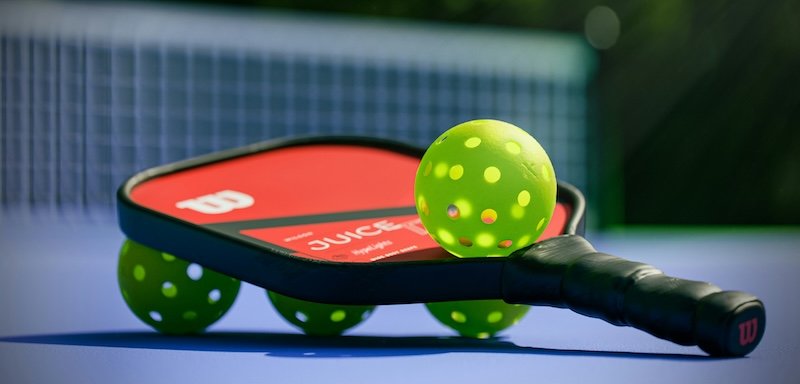
As a paddle sport, pickleball shares similarities with both tennis and badminton, but the key difference lies in the paddle used and the smaller court size. Unlike tennis, where players use rackets, pickleball requires paddles that are solid and do not have strings. The ball used in pickleball is plastic and perforated, similar to a wiffle ball5, making it different from the heavier tennis ball.
Pickleball Court Design
The pickleball court is smaller than a tennis court, measuring 20 feet by 44 feet, and is divided into two halves by a net. The size of the court helps to level the playing field, making it more accessible to people of all ages and fitness levels. This is one of the reasons why pickleball has grown so rapidly among recreational players.
Paddle vs. Racket
The main distinction between pickleball and other paddle sports like tennis is the type of equipment used. A pickleball paddle is much smaller and lighter than a tennis racket, and it features a solid face rather than strings. This difference affects the gameplay, requiring players to adjust their techniques to control the ball's speed and placement.
When did pickleball become a popular sport?
Pickleball started gaining significant popularity in the 1970s and 1980s, but it exploded in growth in the 2010s due to its accessibility and appeal to older adults.
The growth of pickleball has been remarkable, especially in the past decade, as its popularity has surged worldwide.
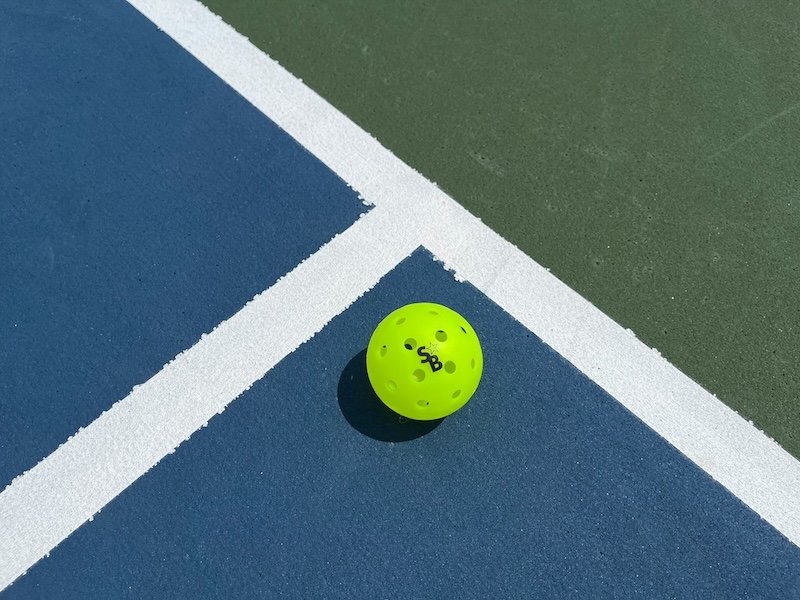
Pickleball’s rise to popularity can be attributed to several factors, including its accessibility, simplicity, and the aging population's interest in low-impact sports. The sport gained traction in the 1970s and 1980s as it spread across the United States, with dedicated pickleball courts being built in recreational parks. However, the real boom came in the 2010s when the sport began to be embraced by older generations seeking an active, fun alternative to other sports that might be harder on the joints.
The Role of Social Media and Media Coverage
In the 2010s, social media played a significant role in spreading awareness of pickleball. With viral videos of exciting pickleball matches and enthusiastic player endorsements, people worldwide became more interested in trying the sport. In addition, media coverage of professional pickleball tournaments helped elevate the sport's profile, attracting new players and sponsors.
Global Expansion
Pickleball is not only popular in the United States; it has expanded globally. Countries like Canada, Spain, and India have adopted the sport, and it is now played in over 50 countries worldwide. This international growth has been driven by the universal appeal of the game, as well as the increasing availability of pickleball equipment and courts.
Conclusion
The history of pickleball is marked by innovation, simplicity, and the desire to make a fun and inclusive game. Today, pickleball is a popular sport played by millions around the world.
-
Learn about advanced composites and their applications in sports equipment. ↩
-
Discover the benefits of fiberglass in manufacturing pickleball paddles. ↩
-
Understand how graphite enhances paddle performance. ↩
-
Explore the advantages of carbon fiber in sports gear. ↩
-
Find out why a wiffle ball is used in pickleball games. ↩