Skip to content

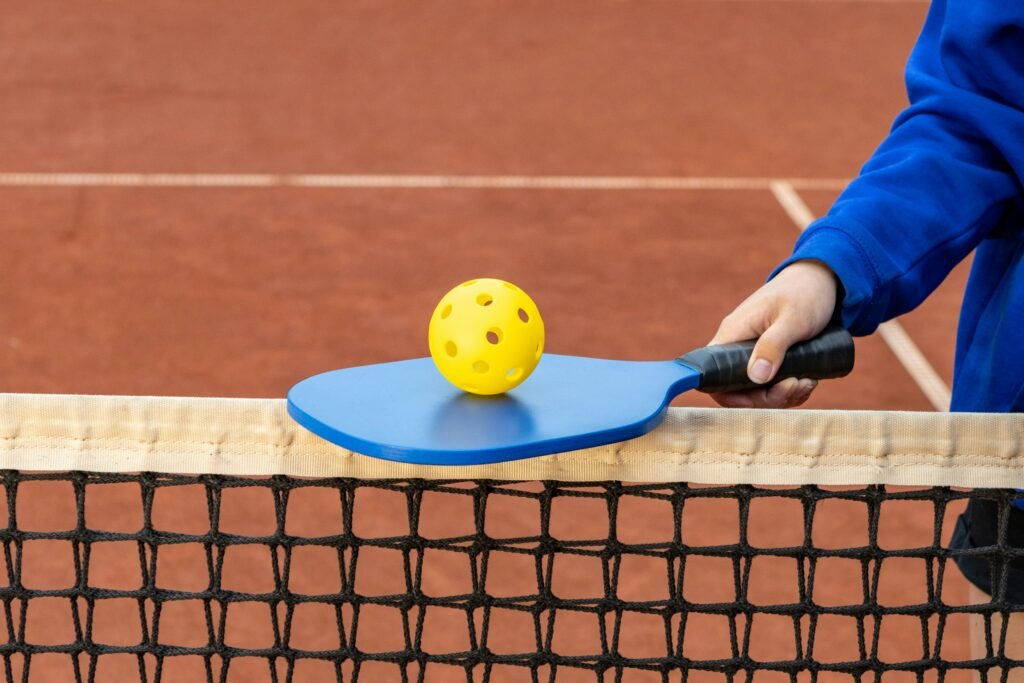
Pickleball has surged in popularity, becoming a favorite sport for people of all ages. At the heart of every game lies a critical piece of equipment: the pickleball paddle. But what goes into creating this essential tool? In this blog, we’ll explore the intricate process of manufacturing pickleball paddles, the materials used, and how these factors influence performance.
1. The Importance of a Quality Paddle
A well-designed paddle can make all the difference in your game. It affects your control, power, and overall playing experience. Whether you’re a seasoned pro or a beginner, understanding the components of a pickleball paddle helps you choose one that suits your style.
2. Materials That Matter
Modern pickleball paddles are crafted from advanced materials to ensure durability, lightweight performance, and optimal balance. The three main materials used are:
- Graphite: Known for its lightweight and stiffness, graphite paddles provide excellent control.
- Composite: A mix of materials, including fiberglass, offering a balance of power and precision.
- Wood: Often used in beginner paddles, wood offers affordability but tends to be heavier.
3. The Manufacturing Process
Creating a pickleball paddle involves several detailed steps to ensure precision and quality:
- Core Construction: The paddle’s core is typically made from polymer, aluminum, or Nomex. Each material affects the paddle’s feel and sound.
- Surface Layering: The core is laminated with graphite or fiberglass to enhance durability and performance.
- Heat or Cold Press Molding: Advanced molding techniques like hot press or cold press ensure the paddle’s layers are securely bonded.
- Edge Guarding and Finishing: An edge guard protects the paddle from damage, and a grip is added for comfortable handling.
4. Customization Options
Many manufacturers now offer customization services, allowing players to add personal touches like unique graphics, colors, or logos. Custom paddles not only look great but also reflect the player’s personality and style.
5. Choosing the Right Paddle for You
When selecting a paddle, consider:
- Weight: Heavier paddles provide more power, while lighter ones offer better control.
- Grip Size: Ensure the grip fits comfortably in your hand to avoid fatigue.
- Playing Style: Power players may prefer composite paddles, while control-focused players might choose graphite.
6. Sustainability in Paddle Production
As environmental awareness grows, some manufacturers are adopting sustainable practices, such as using eco-friendly materials and energy-efficient production methods. Supporting such brands can contribute to a greener planet while enjoying your game.
Conclusion
Pickleball paddles are more than just tools; they are the result of meticulous craftsmanship and innovative technology. By understanding how paddles are made and what factors to consider, you can make informed decisions that elevate your game. Whether you’re smashing volleys or executing precise dinks, a quality paddle is your trusted partner on the court.
So, next time you pick up your paddle, take a moment to appreciate the art and science behind it. Happy playing!