Skip to content


Quick Answer: In 2025, pickleball paddle trends are driven by advanced production techniques and innovative materials—such as enhanced carbon fiber1, fiberglass, and composite cores.
The pickleball industry is witnessing rapid innovation driven by emerging production technologies and new materials. B2B decision-makers are increasingly seeking products that not only meet high-performance standards but also set new benchmarks in durability and ergonomics. Today’s article dives into how advanced production methods—hot pressing2, cold pressing3, and thermoforming4—combined with innovative material choices, are reshaping the landscape for pickleball paddles.
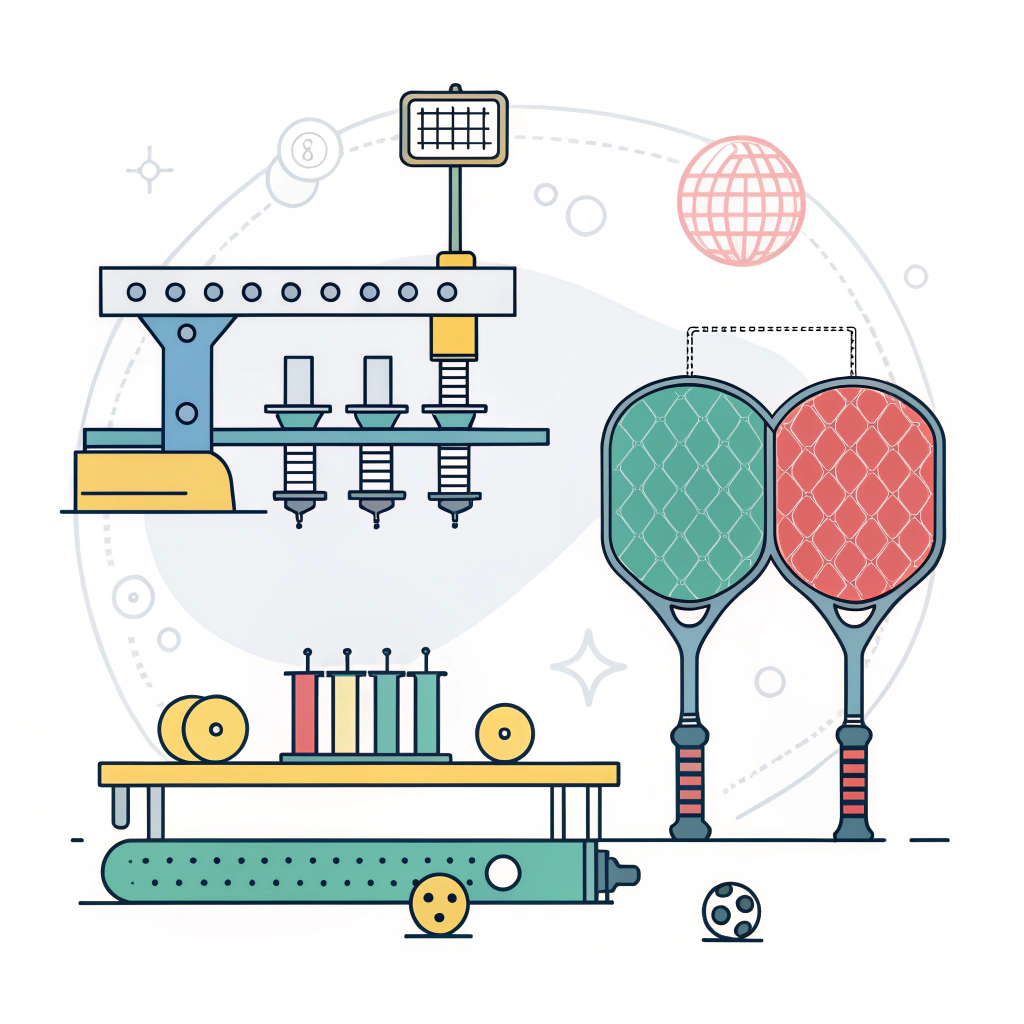
Modern pickleball paddles are evolving beyond traditional designs. Manufacturers are now incorporating premium materials to offer players enhanced power, control, and comfort. Here are the key materials innovating the market:
-
Carbon Fiber Variants:
- 3K Carbon Fiber is prized for its strength and flexibility, reducing vibration and offering high rebound power.
- 12K Carbon Fiber provides a smoother surface, greater hardness, and superior durability, making it ideal for high-impact competitive play.
- T300 Carbon Fiber strikes a perfect balance between lightweight performance and excellent tensile strength.
-
Fiberglass:
An alternative to carbon fiber, fiberglass paddles offer an enhanced balance of power and control with a wider sweet spot. Their elasticity makes them particularly appealing for players looking for improved ball handling. -
Composite Materials5:
Innovations in composite technology have led to options that combine the benefits of multiple materials:- Carbon Fiber and Fiberglass Composite: Merges the structural strength of carbon fiber with the flexibility of fiberglass.
- Bamboo Core Composite: Provides a unique lightweight design with high impact resistance for a distinct hitting feel.
- Honeycomb Core: Often made from high-density polymer, it offers superior shock absorption while reducing vibration.
These materials are not only changing the performance metrics of pickleball paddles but are also offering more customized solutions to meet varying demands—from amateur recreation to professional competitions.
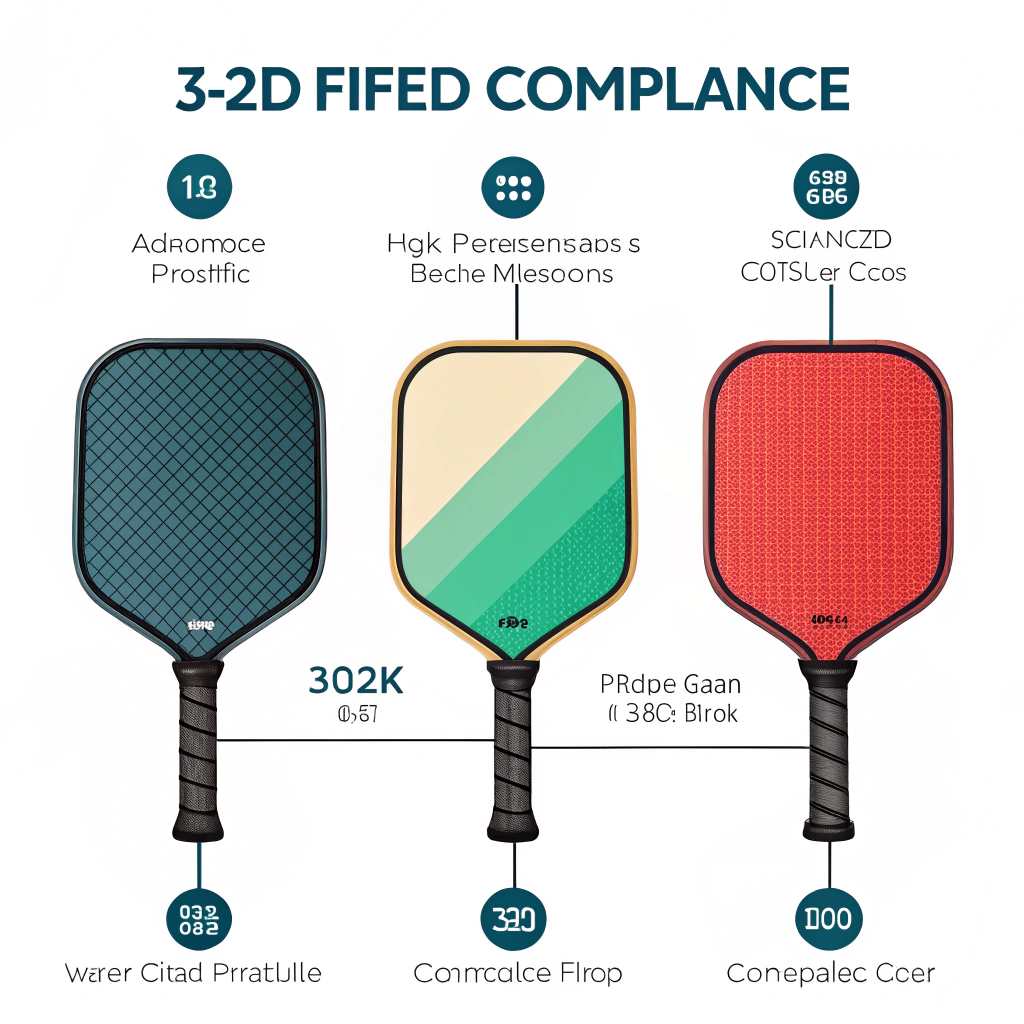
In tandem with material innovations, production techniques are evolving to optimize paddle performance. The three main advanced production processes are:
Hot Pressing2 involves the simultaneous application of heat and pressure to fuse the paddle materials into a robust structure.
-
Advantages:
- High production efficiency, supporting large-scale manufacturing.
- Produces paddles with excellent impact resistance.
- Ensures a structurally sound product ideal for high-performance play.
-
Disadvantages:
- The process may slightly alter material properties, impacting the paddle’s feel.
- High initial investment in specialized equipment is required.
Cold Pressing3 shapes the paddle at room temperature by applying significant mechanical pressure. This technique is celebrated for maintaining the intrinsic properties of the materials.
-
Advantages:
- Enhanced control over thickness and structure.
- Maintains material properties, leading to better responsiveness and flexibility.
- Results in superior ball feel during gameplay.
-
Disadvantages:
- The production cycle is longer compared to hot pressing, potentially impacting efficiency.
- Requires precise pressure control and high-quality machinery.
Thermoforming4 softens materials by heating them to a malleable state, then molding them into shape using custom-designed forms.
-
Advantages:
- Allows intricate paddle designs and precise material distribution.
- Maintains paddle stability and improves overall performance.
- Offers versatility in handling a variety of premium materials for custom designs.
-
Disadvantages:
- This method requires a longer production time and increased investment in equipment.
- Typically reserved for premium or custom-made paddle products.
A useful comparison of these processes is provided in the table below:
| Production Process | Key Advantages | Primary Disadvantages | Ideal Use Case |
|---|---|---|---|
| Hot Pressing | High efficiency, excellent impact resistance | Altered material properties, high equipment cost | Mass production of high-performance paddles |
| Cold Pressing | Precise structural control, preserves material quality | Longer production cycle, requires precise control | Products emphasizing ball feel and control |
| Thermoforming | Intricate design capabilities, uniform material distribution | Longer production time, higher costs | Premium, custom-made paddles |
The rapid evolution in pickleball, driven by both recreational and competitive growth, means that manufacturers must remain agile. B2B stakeholders are particularly focused on these shifts:
-
Demand for Customization:
Clients increasingly seek products that are tailored to their unique brand or performance requirements. Custom paddle designs—including specific weight distributions, grip sizes, and balance adjustments—are becoming standard requests. -
Performance-Driven Purchasing:
High-performance equipment is no longer just a luxury but a necessity. Decision-makers are evaluating production processes that maximize precision and durability so that each product can consistently deliver on its performance promises. -
Quality Control and Continuous Improvement:
As manufacturing techniques evolve, maintaining strict quality control is crucial. Manufacturers like NEX Pickleball invest heavily in cutting-edge testing methods to ensure that every paddle meets rigorous performance standards. This approach minimizes defects and optimizes the playing experience, which in turn boosts customer satisfaction and repeat business. -
Strategic Partnerships:
Collaborations between high-performance equipment manufacturers and technology resource partners are paving the way for smarter, more efficient production processes. A prime example is NEX Pickleball, a leading manufacturer and partner to global brands like Joola and Selkirk, leveraging advanced technologies to push product boundaries.
NEX Pickleball has positioned itself at the forefront of this evolution. As a pioneer in integrating advanced production techniques with innovative material sciences, we continually refine our paddle manufacturing processes to keep pace with current trends and customer demands.
-
Advanced Production Techniques:
We utilize all three major production processes—hot pressing, cold pressing, and thermoforming—allowing us optimal flexibility in scaling production, achieving precise material distribution, and maintaining high product quality. -
Diverse Material Options:
Our paddle designs incorporate a wide range of materials—from various types of carbon fiber1 to fiberglass and composite cores—enabling us to offer products that cater to both competitive and recreational needs. -
Customization Capabilities:
With on-demand print services and customizable options, we empower brands and sports organizations to create products that align with their unique market identity and performance goals. -
Rigorous Quality Control:
Every paddle undergoes extensive testing to ensure that its performance, durability, and ergonomic design meet the highest industry standards. This commitment not only improves gameplay but also strengthens market trust.
For B2B partners, the growing trends in advanced paddle production represent both a challenge and an opportunity. By embracing these innovations, companies can differentiate their product lines, address specific player needs, and ultimately capture larger market shares in a competitive landscape.
For decision-makers evaluating future product portfolios, here are some key action points:
-
Evaluate Material Trends:
Stay informed about the latest in carbon fiber1 technology and composite materials. Understanding the nuanced performance benefits of options such as 3K, 12K, and T300 carbon fiber will help tailor product lines that meet varying needs. -
Adopt Advanced Manufacturing Processes:
Assess the feasibility of integrating production methods like hot pressing, cold pressing, and thermoforming into your current supply chain. Each technique offers distinct advantages that might serve different market segments. -
Invest in Customization:
Reflect on the growing consumer demand for personalized products. Customize your offering by considering factors such as unique grip sizes, weight distribution, and printing options, enhancing brand differentiation. -
Strengthen Quality Control Measures:
Enhanced quality control protocols ensure that every paddle meets industry standards. Implementing rigorous testing regimes not only keeps production defects low but also maximizes customer satisfaction and brand loyalty. -
Forge Strategic Partnerships:
Partnerships like that with NEX Pickleball allow access to cutting-edge production capabilities and high-quality products. Collaborating with established manufacturers can lead to faster innovation cycles and improved product quality. -
Monitor Market Trends:
Stay ahead of competitors by monitoring industry data and performance benchmarks. Regularly update your portfolio based on consumer feedback and technological advancements.
In summary, the evolving landscape of pickleball paddle manufacturing is rich with opportunities. By aligning production strategies with innovative material and process trends, B2B stakeholders can not only stimulate product improvement but also anticipate market demands more effectively. This proactive approach positions businesses to thrive in an increasingly competitive environment.
Q: What are the key trends in pickleball paddle production for 2025?
A: The key trends for 2025 include the adoption of advanced production processes—hot pressing, cold pressing, and thermoforming—and the use of enhanced materials such as various forms of carbon fiber1, fiberglass, and composite cores to improve power, control, and durability.
Q: How do advanced production techniques impact paddle performance?
A: Advanced techniques like hot pressing, cold pressing, and thermoforming help optimize the paddle’s material properties and structural integrity. These methods ensure improved shock absorption, precise weight distribution, and enhanced durability, leading to better performance during play.
Q: Why is customization becoming important in pickleball paddle manufacturing?
A: Customization meets the growing demand for tailored performance and branding. Custom options allow clients to specify design elements such as weight, grip size, and surface finish, enabling manufacturers to deliver products that align perfectly with consumer needs and market trends.
-
Carbon Fiber: Click to learn about the properties, manufacturing processes, and performance benefits of carbon fiber in sports equipment and industrial applications. ↩ ↩ ↩2 ↩3 ↩4
-
Hot Pressing: Click to explore how hot pressing uses heat and pressure to improve material bonding and structural integrity in manufacturing high-performance products. ↩ ↩ ↩2
-
Cold Pressing: Click to review the cold pressing technique that preserves material properties while providing precision in product formation and quality. ↩ ↩ ↩2
-
Thermoforming: Click to understand the thermoforming process, including how controlled heating and molding create complex shapes for tailored product designs. ↩ ↩ ↩2
-
Composite Materials: Click to delve into composite materials technology, which combines various components to balance strength, flexibility, and lightweight design in industrial applications. ↩ ↩